For several years now, correspondents to the letters columns of the Irish Times have heatedly debated the merits — or lack of them — of magpies. The magpie is a large black-and-white bird that first appeared in Ireland in the 17th Century and is now proliferating in every part of the country.
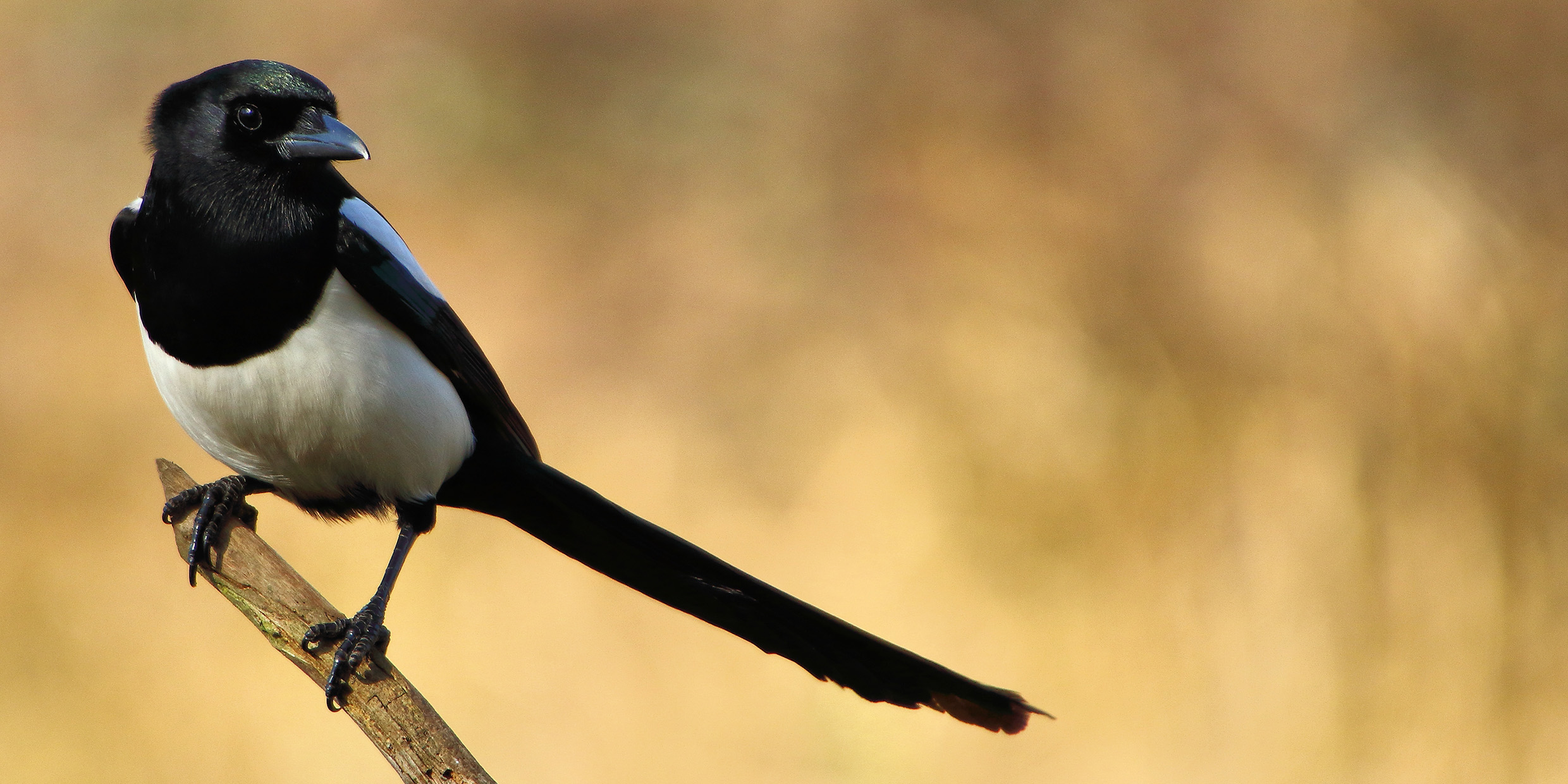
Eurasian Magpie • Photo by Airwolfhound (CC BY SA 2.0)
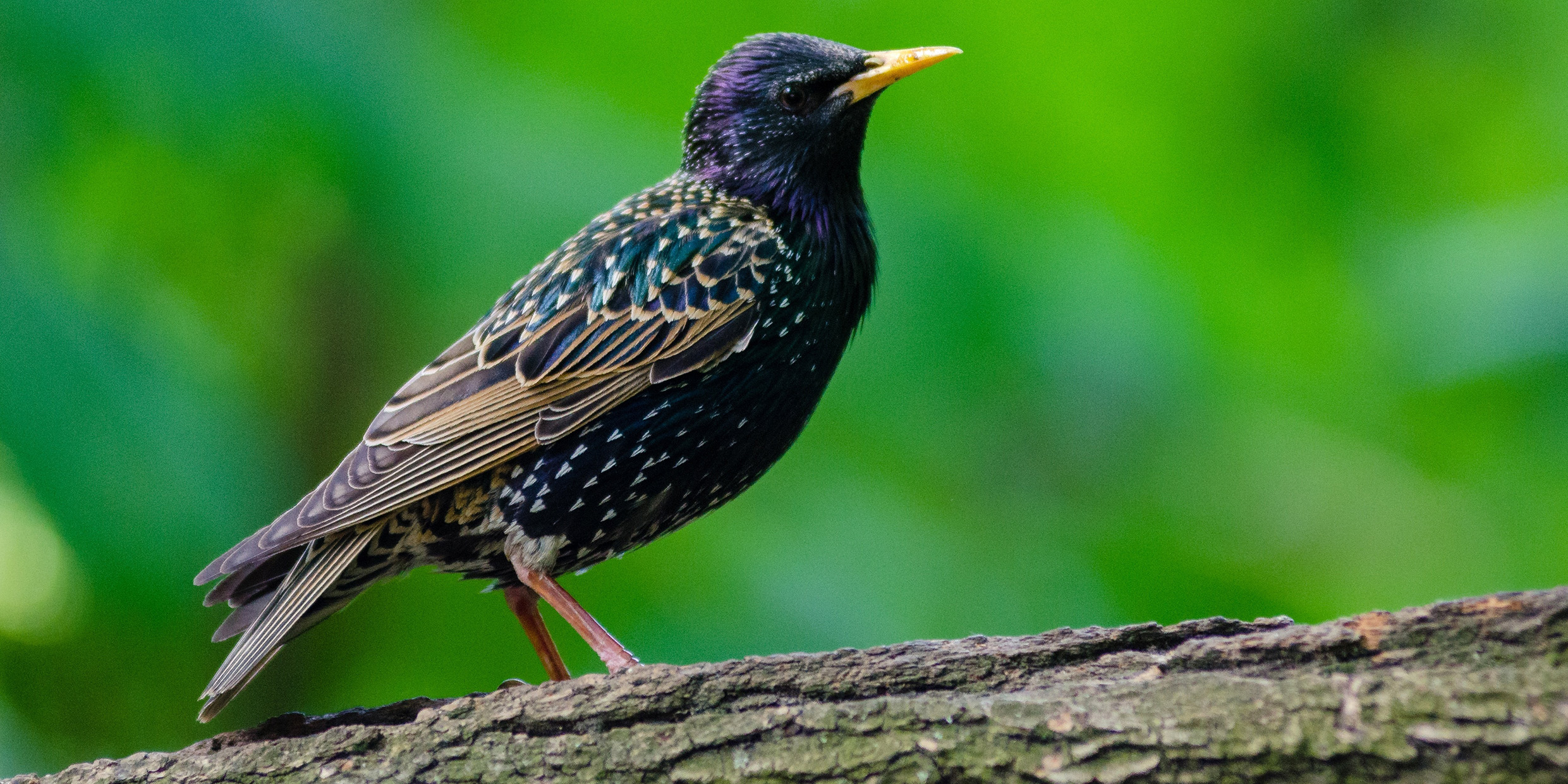
Photo by Mathias Appel (Public Domain)
Starlings: from the sea to shining sea
Economists have a maxim called Gresham’s Law that says “bad money will always drive out good.” Sometimes I think ecologists should enunciate a similar principle.
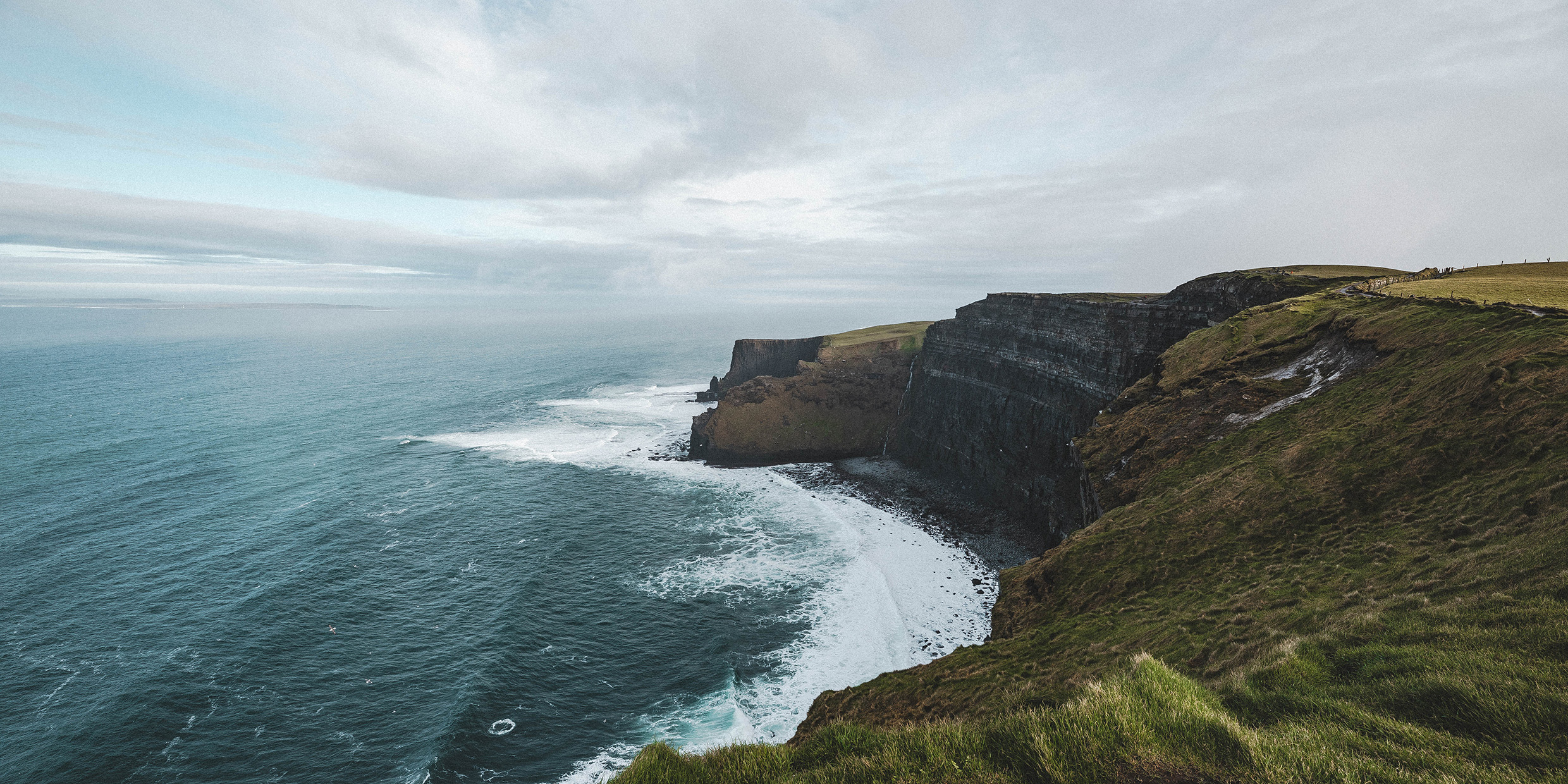
Photo by Dave Herring on Unsplash
Ireland’s changeable weather
For 12 years, off and on, I have been a student of Irish weather. I have studied the daily weather maps in the Irish Times. I have listened to the 6 o’clock shipping forecasts on the BBC. I have watched the barometer. I have held a moistened finger to the wind.
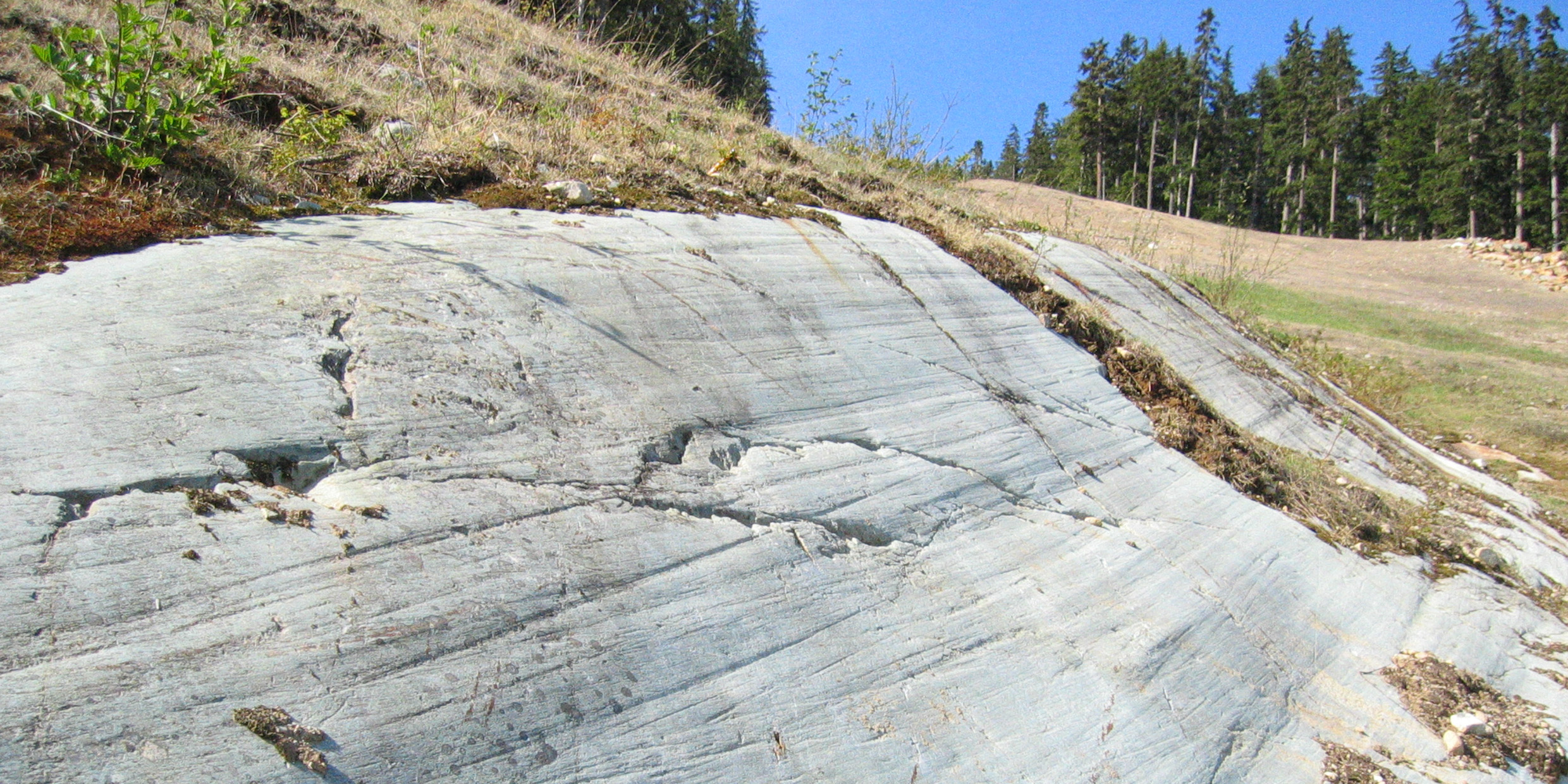
Glacial scratches • Photo by Amezcackle (Public Domain)
Ice works the land
Set a geologist down anywhere in New England and somewhere nearby he will show you the work of ice. Eighteen thousand years ago all of New England lay beneath a half-mile-thick sheet of ice, part of a continent-spanning glacier that reached from the deeply indented coast of the Pacific Northwest to the gently sloping continental shelf of New England.
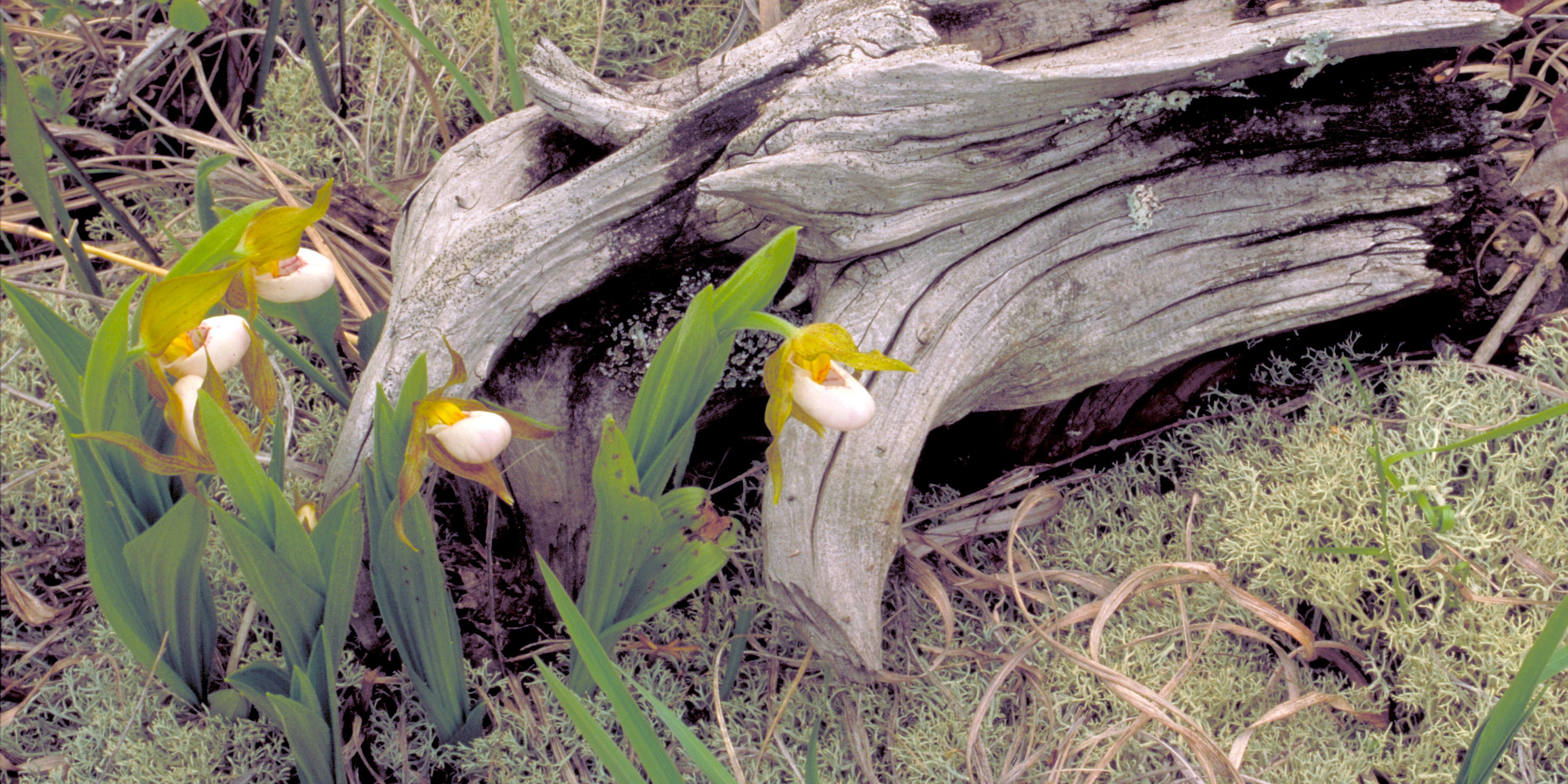
White lady's-slipper • Photo by Dr. Thomas G. Barnes / USFWS (Public Domain)
Delicate balance makes our universe
The naturalist John Muir said the two greatest experiences of his life were camping with Ralph Waldo Emerson at Yosemite and finding the rare orchid calypso blooming alone in a Canadian swamp. Last spring I found a wild orchid as exceptional as a night with Emerson: a white lady-slipper, solitary, snow-pure, alone in a pine woods with 10,000 of its pink cousins. My Peterson wildflower guide admits the white variant of the lady-slipper and calls it rare and local. Rare and local, indeed! In my part of New England I have never seen another.
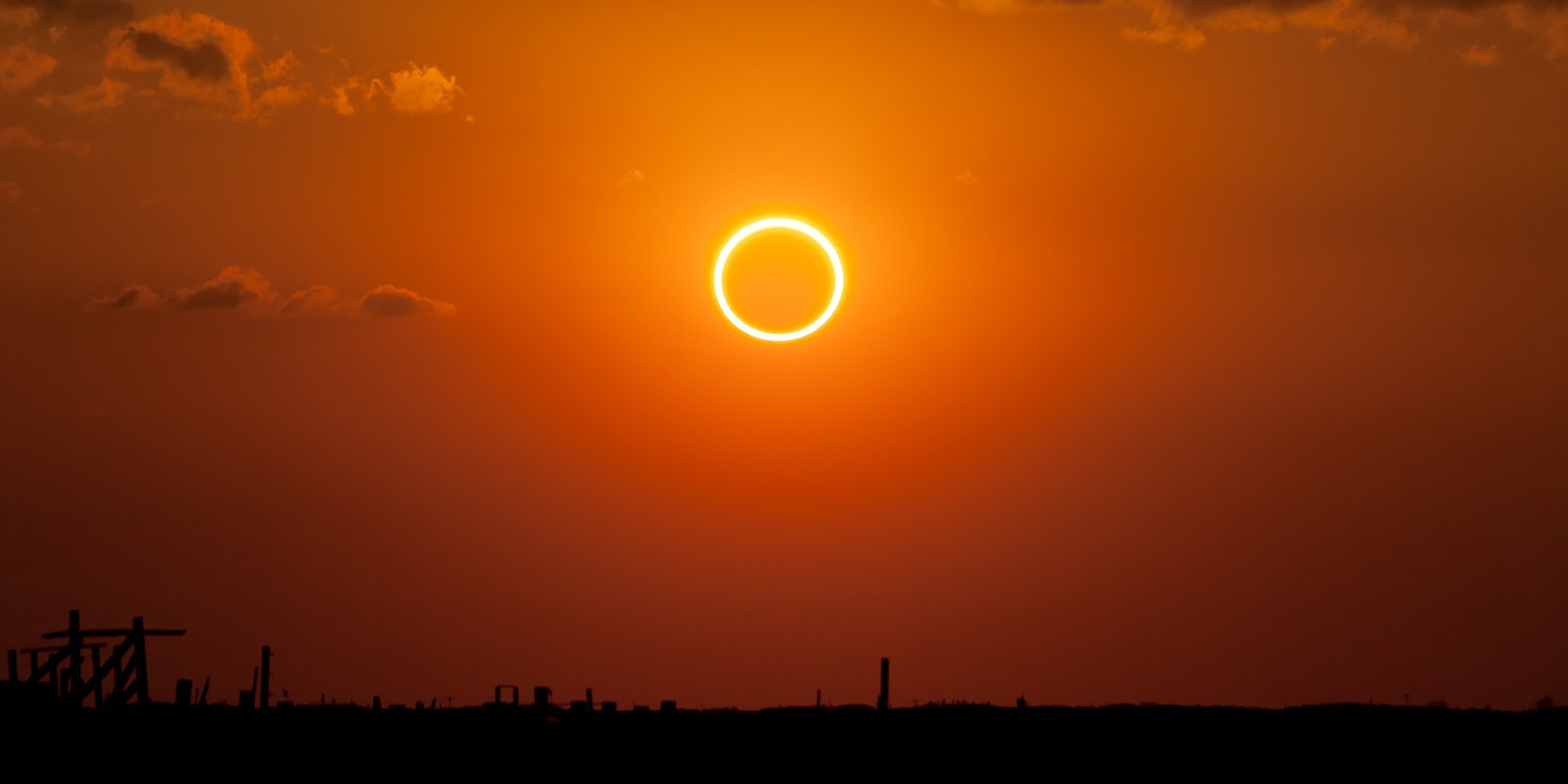
An annular eclipse • Photo by Kevin Baird (CC BY SA 3.0)
The Moon’s cone of darkness
The night has a shape and that shape is a cone. In Shelley’s “Prometheus Unbound” the Earth speaks this line: “I spin beneath my pyramid of night, Which point into the heavens, dreaming delight.”
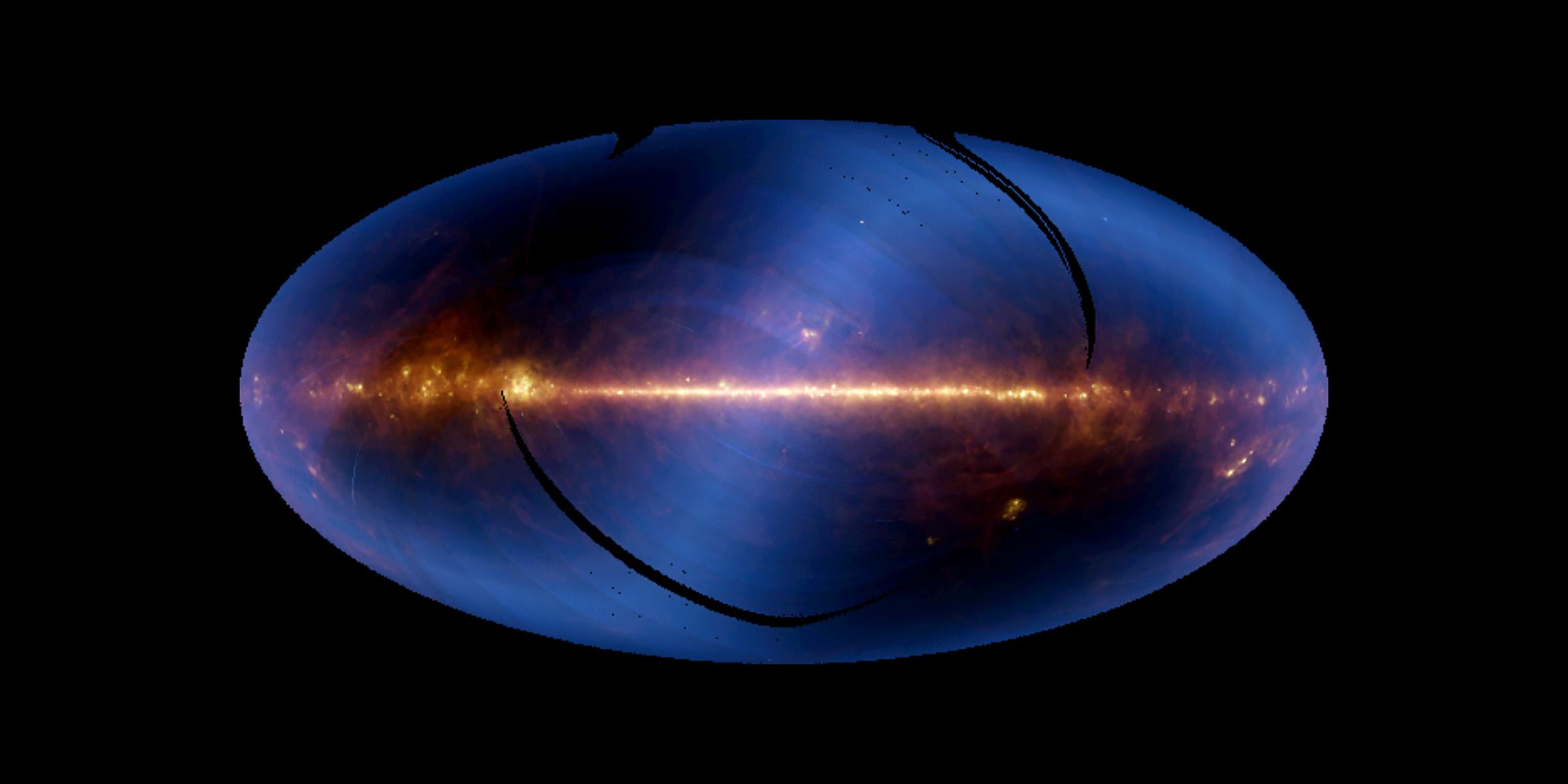
Infrared all-sky survey by IRAS (Public Domain)
New look at universe
“Look at the stars! Look, look up at the skies!” says the poet Gerald Manley Hopkins. “O look at all the fire-folk sitting in the air! The bright boroughs, the quivering citadels there! The dim woods quick with diamond wells; the elf-eyes!”
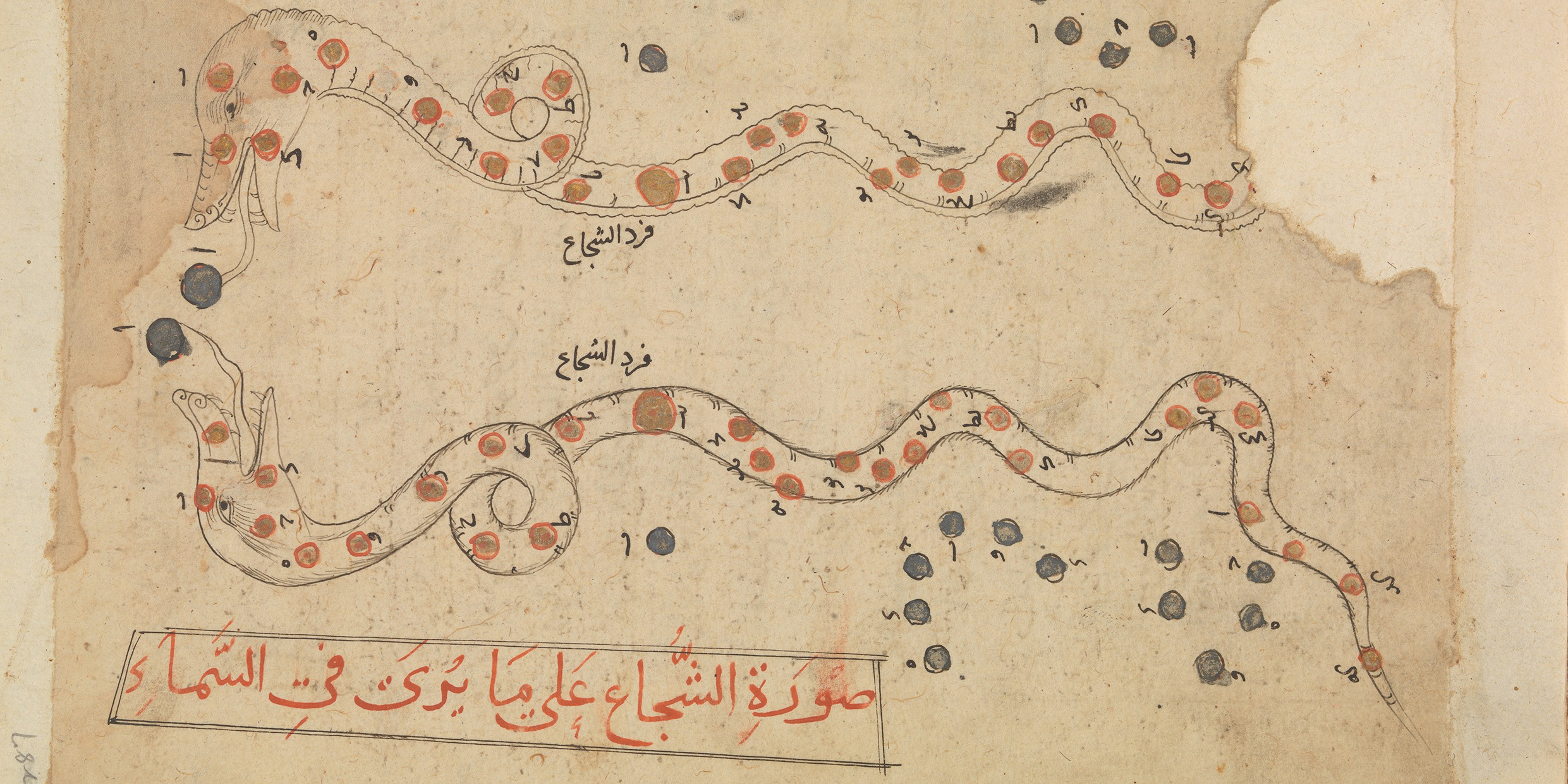
Excerpt from the "Book of the Images of the Fixed Stars," 15th C., Persia (Public Domain)
Our reflection in the stars
Thoreau tells us that when he learned the Indian names for things he began to see them in a new way. When he asked his Indian guide why a certain lake in Maine was called Sebamook, the guide replied: “Like as here is a place, and there is a place, and you take water from there and fill this, and it stays here: that is Sebamook.” Thoreau compiled a glossary of Indian names and their meanings. It was like a map of the Maine woods. It was a natural history. The Indian names of things reminded Thoreau that intelligence flowed in channels other than his own.
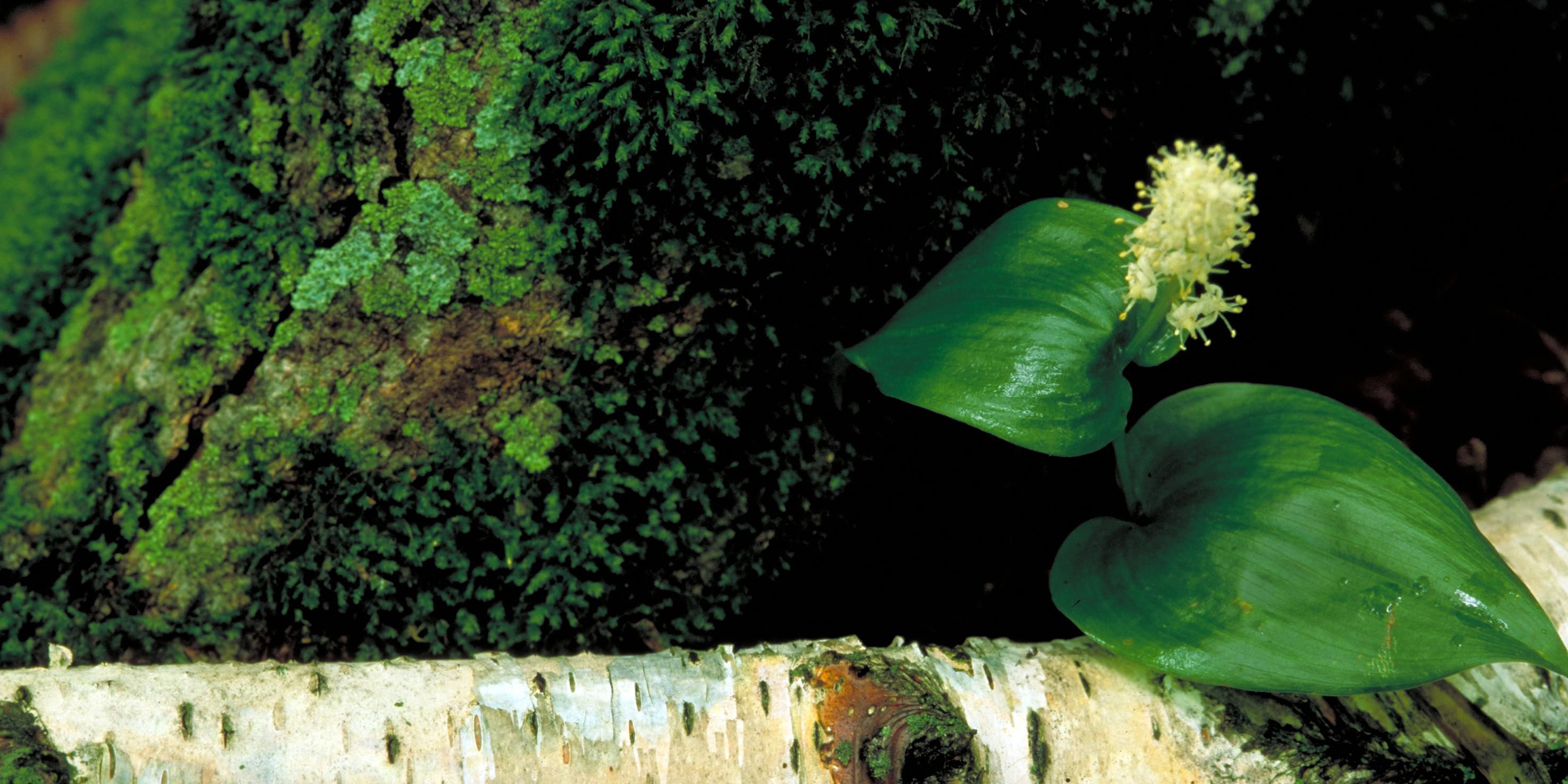
Canada mayflower • Photo by Dr. Thomas G. Barnes, U.S. Fish and Wildlife Service (Public Domain)
The earth’s greening
There comes a moment in New England woodlands in the spring when up through last season’s brown leaves and matted pine needles comes the first green. Like a carpet unrolled overnight, suddenly the greedy leaves of the Canada mayflower are everywhere.
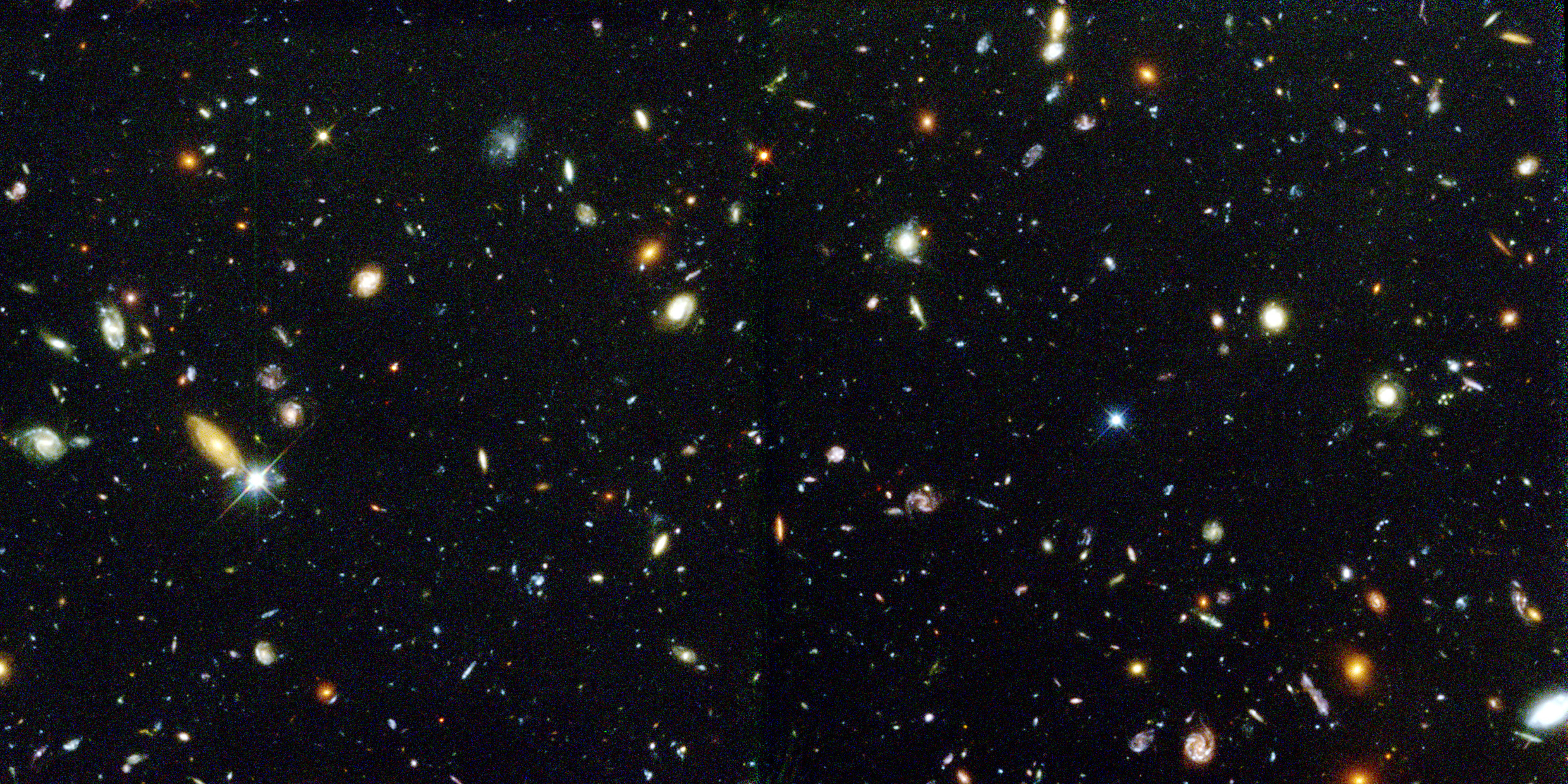
The Hubble Deep Field photograph • R. Williams (STScI), the Hubble Deep Field Team and NASA/ESA
Not with a bang but a laugh
A creation myth from the ancient Mediterranean has God bring all things into being with seven laughs. Here is how Charles Doria and Harris Lenowitz translate the first laugh: Light (Flash) / showed up / All splitter / born universe god / fire god. Those lines are two thousand years old, but they aptly describe the modern scientific view of Creation.