I know it’s early to start thinking about next Christmas — this year’s celebrations are barely over — but I thought I should write while my thoughts are still fresh in my mind.

An early 20th century Erector Set • Photo by Jim Heaphy (CC BY-SA 3.0)
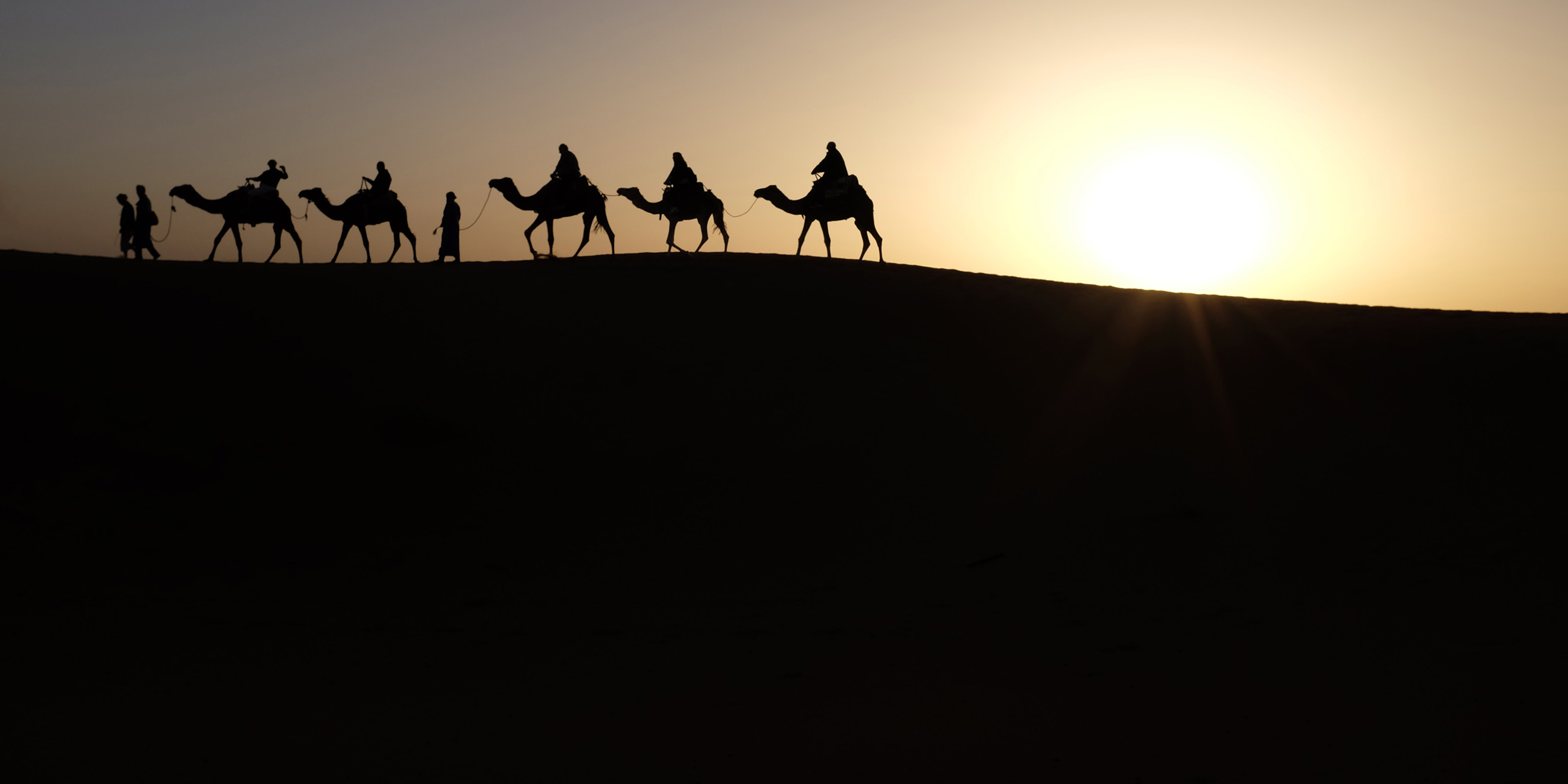
Photo by Inbal Malca on Unsplash
Gifts from a place called Arabia Felix
The gospel tells us that they came from the east, following a star. But if, as tradition insists, they arrived on camels, and if upon opening their treasures they offered him gifts of gold, frankincense and myrrh, then my guess is that they came from the south, from beyond the trackless wastes of the Empty Quarter, from the place called Arabia Felix.

The Charles River Basin • Photo by Prateek Pisat on Unsplash
Let history judge the worth
Bostonians anticipate the construction of a depressed Central Artery and third harbor tunnel with something akin to morbid fascination and stark terror.
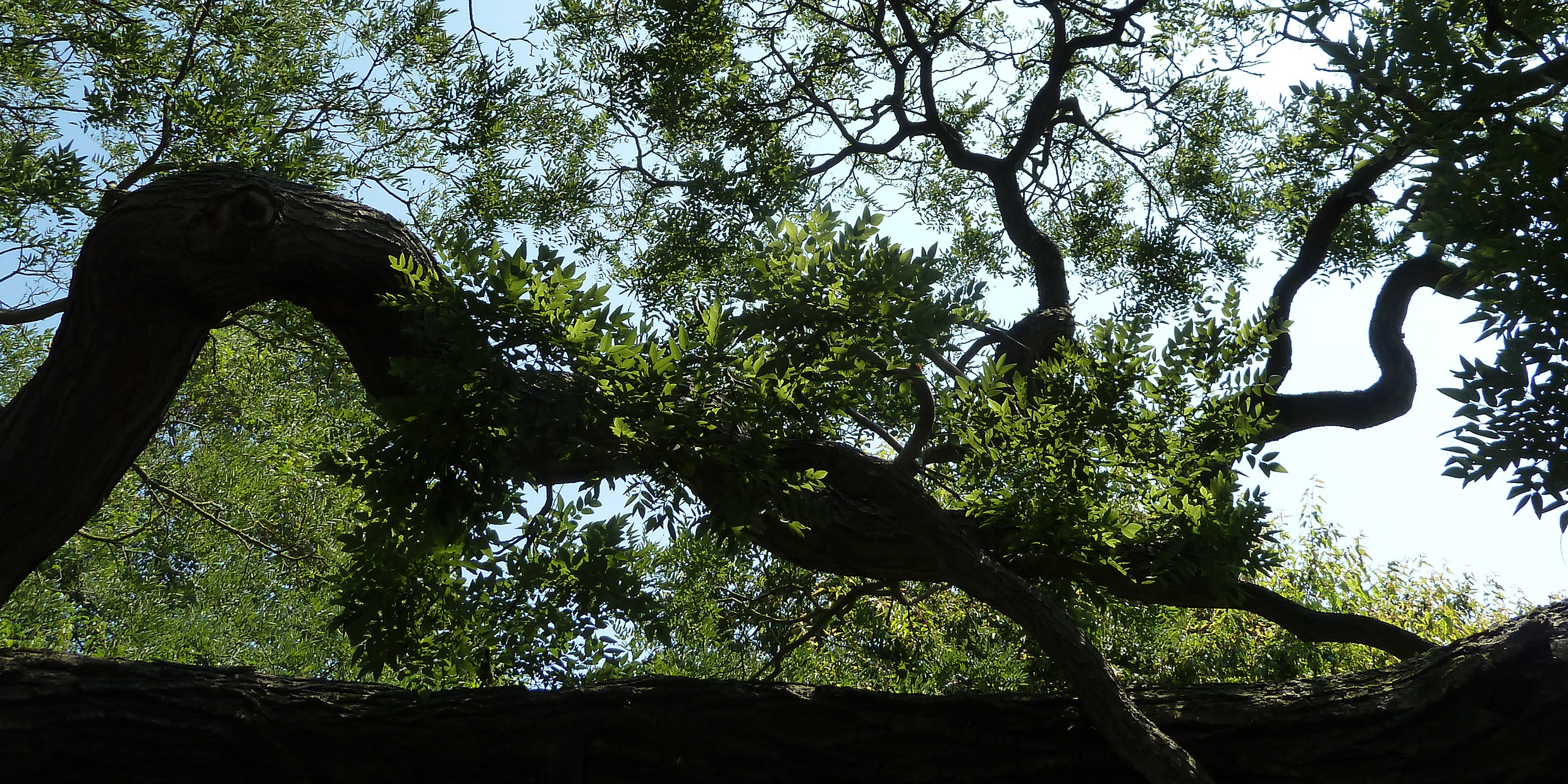
The Pagoda tree at Kew Gardens • Photo by deror_avi (CC BY-SA 3.0)
History uprooted
Among the more engaging characters with which J. R. R. Tolkien populated Middle-earth were the ents, the oldest of all living races, a treelike people only tentatively removed from their arboreal roots, awakened by elves from a long, silent awareness of themselves into mobility and speech.

The Health Science Library at UNC • Photo by Selena N. B. H. (CC BY 2.0)
Sciencespeak
The British physicist and philosopher of science John Ziman recently published a book called Knowing Everything About Nothing: Specialization and Change in Scientific Careers. This column is not about the book. It is about the title of the book.

4-(p-Hydroxyphenyl)-2-butanone, the smell of raspberries
Ah, molecules
Someone asked me the other day why I never write about chemistry in this column. I’ll tell you why. Chemistry is boring.
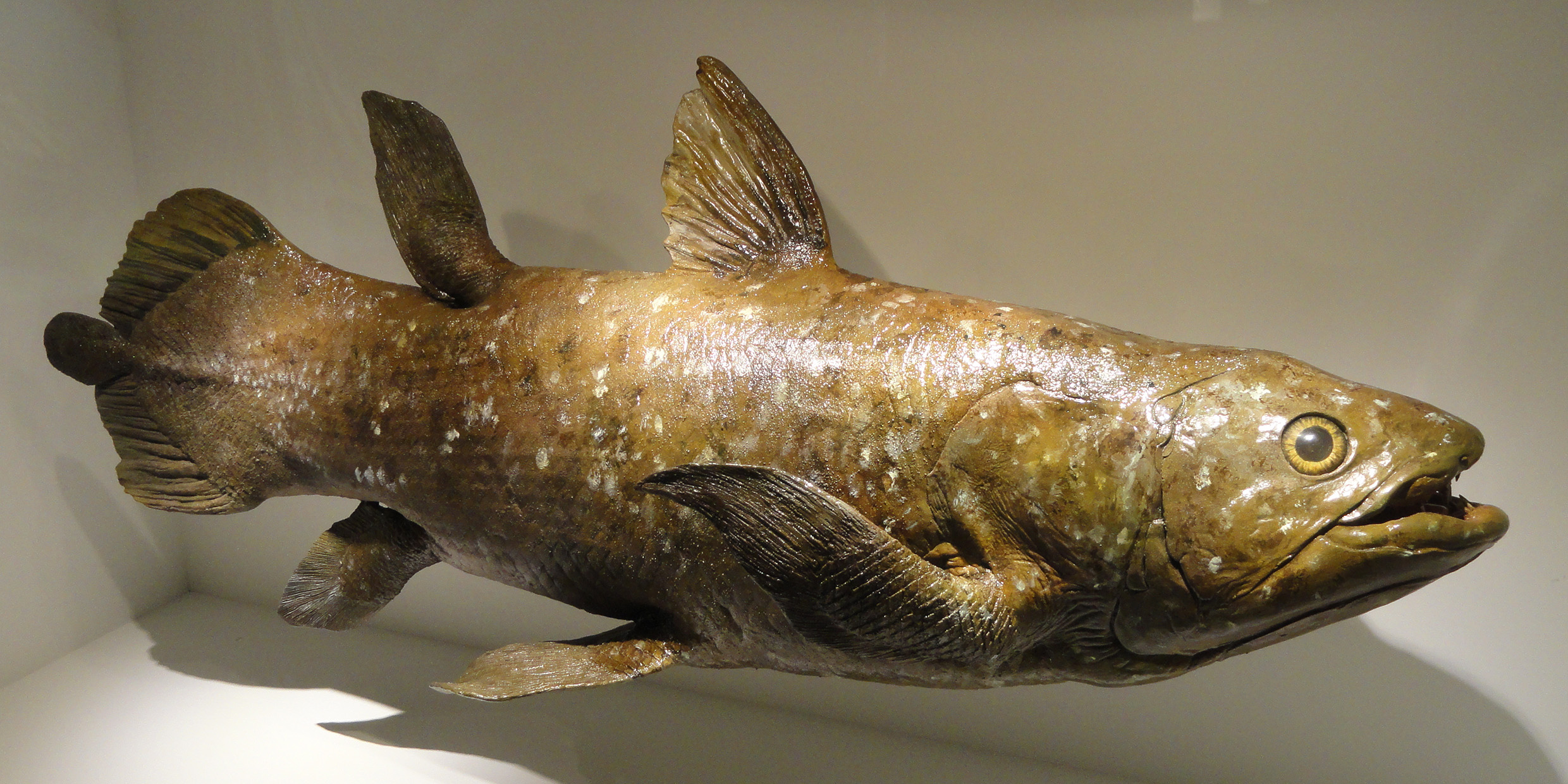
Model of a coelacanth at the Houston Museum of Natural Science • Photo by Daderot (Public Domain)
Let us consider now the coelacanth
“Consider now the Coelacanth,
Our only living fossil,
Persistent as the amaranth,
And status quo apostle.”
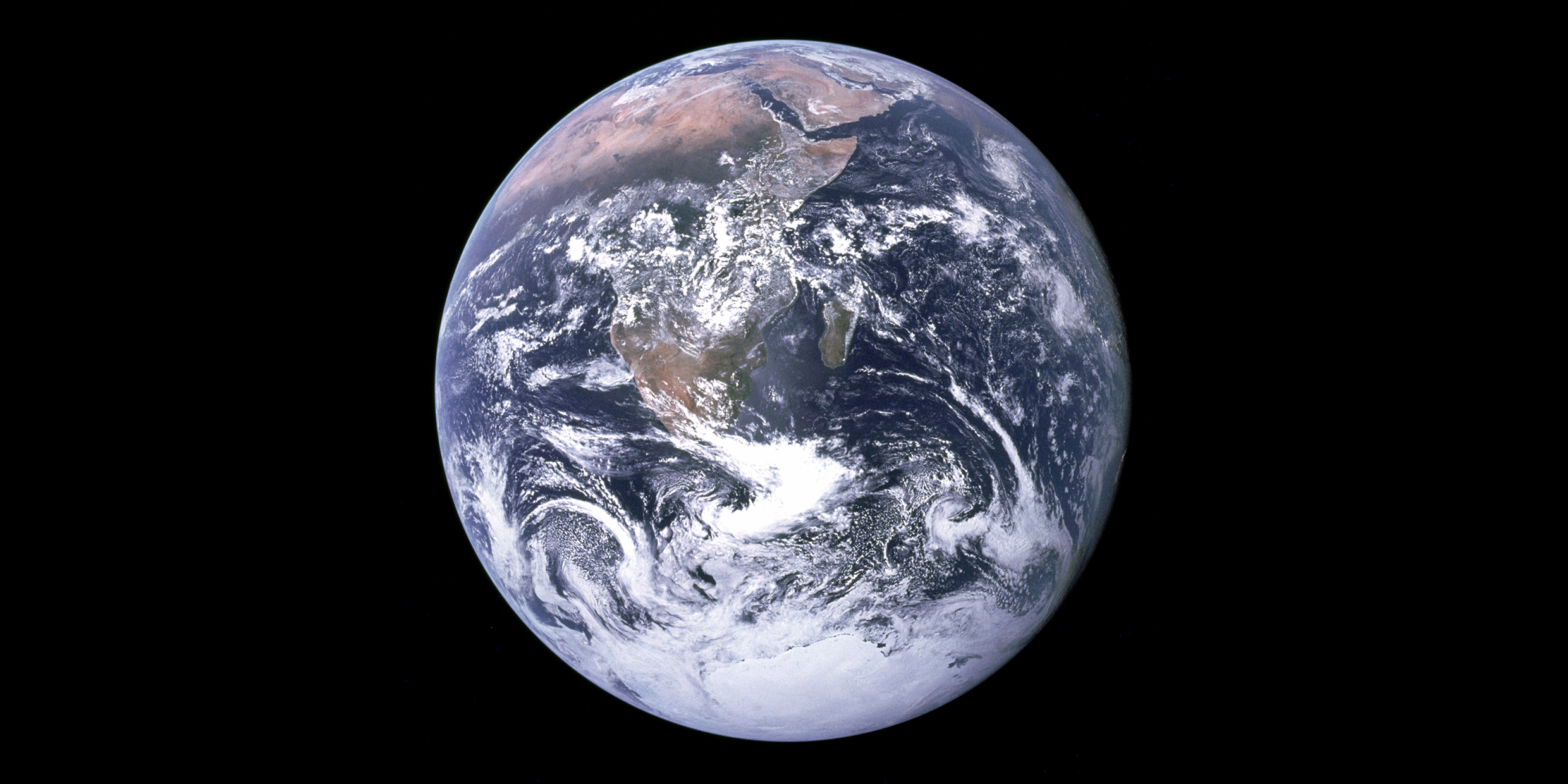
A nearly perfect sphere • NASA/Apollo 17 (Public Domain)
Escaping the human scale
When I was a child I owned a picture book that told the story of Christopher Columbus. Several of the illustrations are still clear in my memory. One showed Spanish caravels, with pennants flying, sailing off the edge of a flat Earth into the mouth of a waiting monster. This supposedly illustrated the prevailing view of the shape of the Earth at the time of Columbus.

Indian-pipe • Photo by Will Brown (CC BY 2.0)
The zombies of the plant world
It’s been a bumper year for Indian-pipes. I can’t recall another time when I have seen so many. Even as I write, in late September, they are still common in the pine-oak woods, pushing up through the leaf litter on the forest floor, little covens of waxy-white wildflowers, ghostly, bewitching, vaguely demonic.
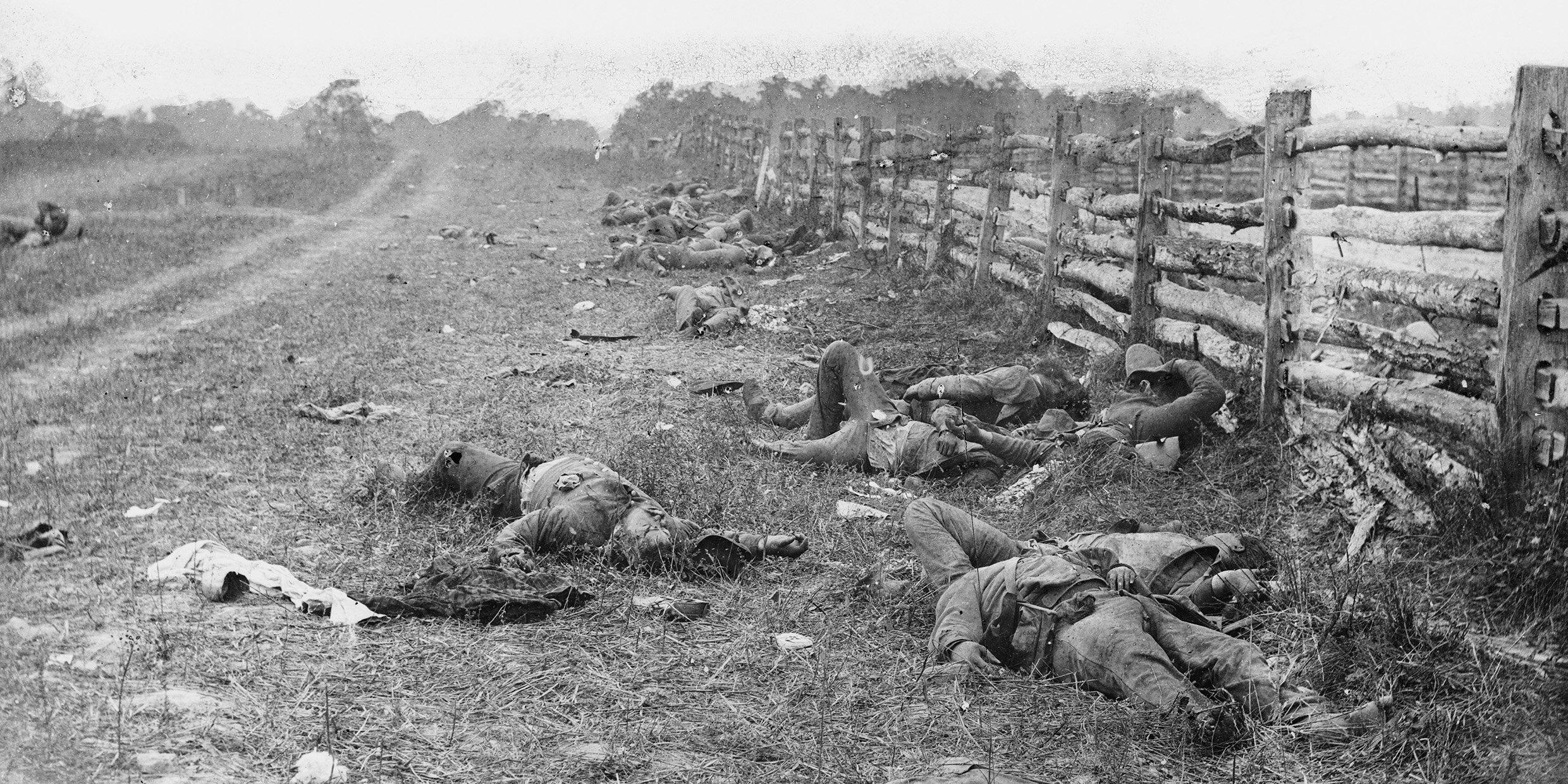
The aftermath of the Battle of Antietam, 1862 • Alexander Gardner
No badge of courage in ‘star wars’
In Stephen Crane’s American classic, The Red Badge of Courage, young Henry Fleming goes off to war fired by dreams of heroic sweep and grandeur. “He had read of marches, sieges, conflicts, and had longed to see it all. His busy mind had drawn for him large pictures extravagant in color, lurid with breathless deeds.” In the war to preserve the Union he would mingle in one of the great affairs of the earth. He longs, yes longs, for the symbolic wound, the blood-red badge of courage.