In the summer of 1868, the British Association for the Advancement of Science held its annual meeting in the town of Norwich, 90 miles northeast of London. At that meeting, Thomas Henry Huxley, one of the greatest natural historians of his day and a champion of Darwin’s new theory of evolution, delivered a talk entitled “On a Piece of Chalk.” His audience was the ordinary workingmen of the town.
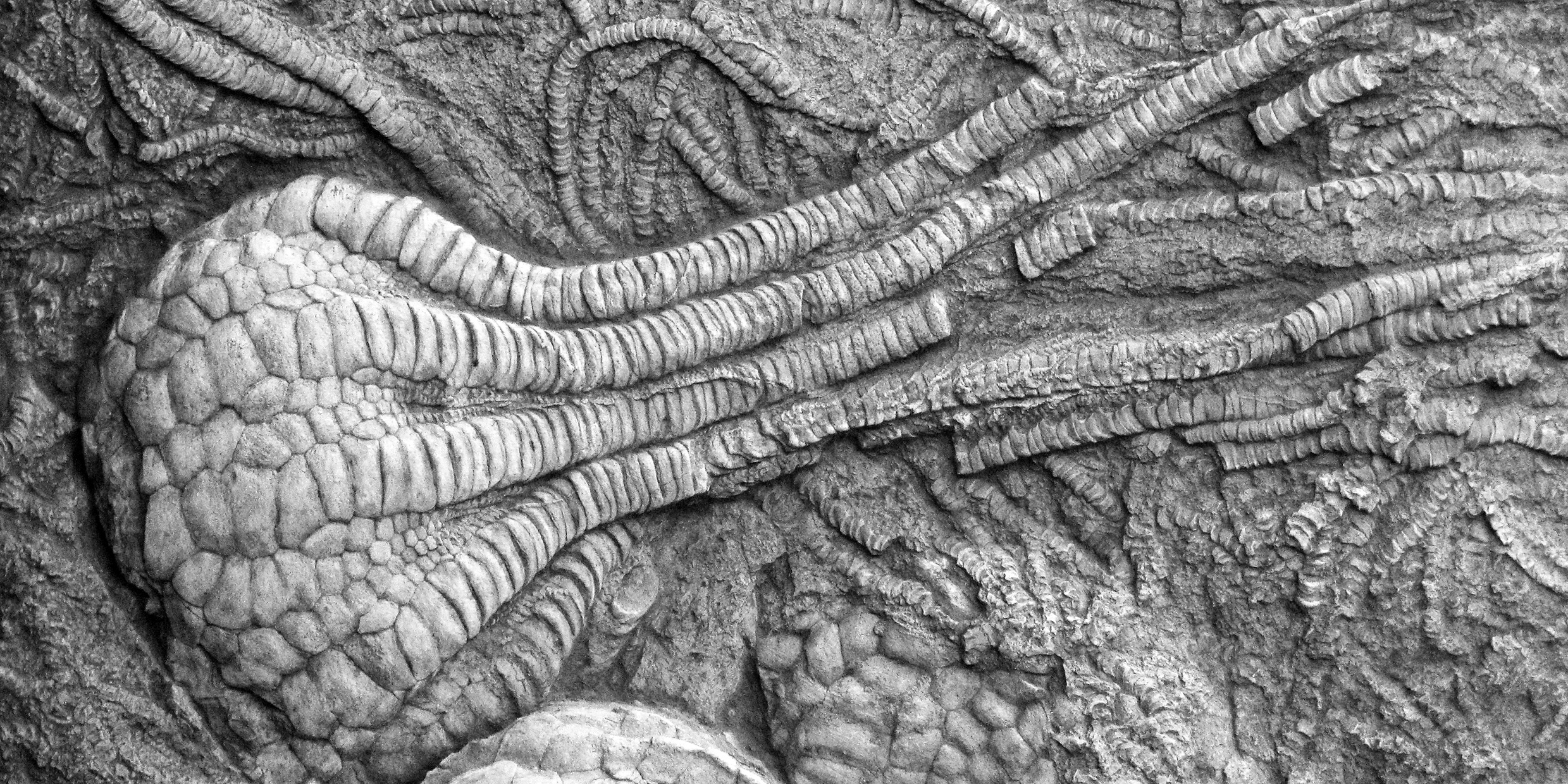
Fossilized crinoid in chalk • Photo by James St. John (CC BY 2.0)
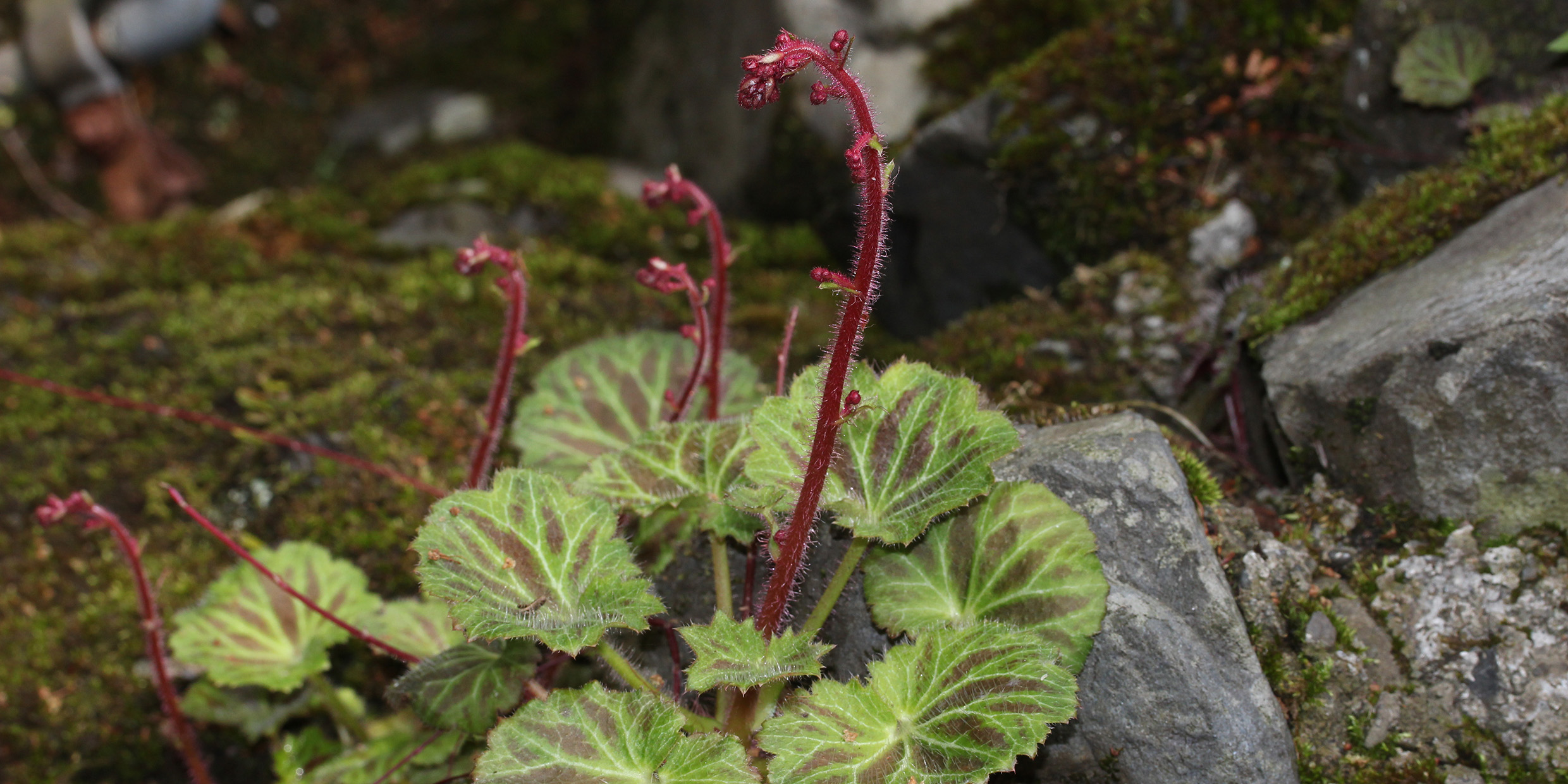
Strawberry begonia, neither a strawberry nor a begonia • Photo by Alpsdake (CC BY-SA 4.0)
Poetry it’s not
In his Field Guide to the Birds, Roger Tory Peterson gives this characterization of the purple finch: “Male: About the size of a House Sparrow, rosy-red, brightest on head and rump.” Then he adds a traditional description — “a sparrow dipped in raspberry juice.”
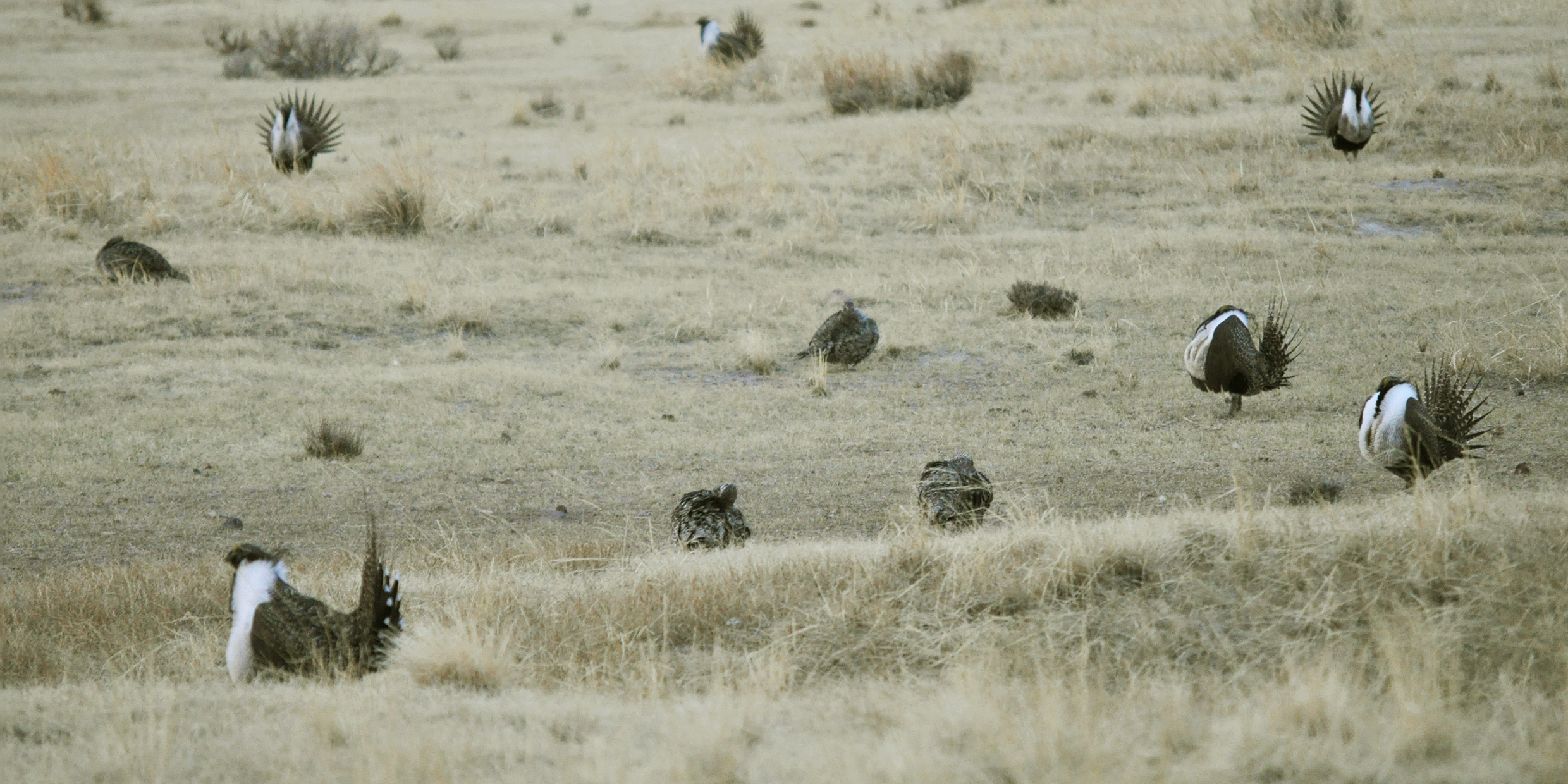
Greater sage grouse lekking • Jeannie Stafford/USFS (Public Domain)
Singles bars in the bird world
Here’s one for the habitués of the singles bars. Looking for the perfect mate? Or just a one-night stand? What defines a good pick-up bar? A choice location? A standout crowd? Who’s pulling the strings — I mean really pulling the strings — that control the pickup dynamic?

Denizens of an EcoSphere • Photo by David Goehring (CC BY 2.0)
A world under glass
I have on my desk a clear glass sphere about three inches in diameter, on a plastic stand. The sphere is two-thirds filled with water. The remaining volume contains air. A snip of green algae, sea grass, floats in the water, and four tiny pink shrimp swim lazily about. The sphere is completely sealed. With the exception of heat and light, there are no transactions with the outside environment.
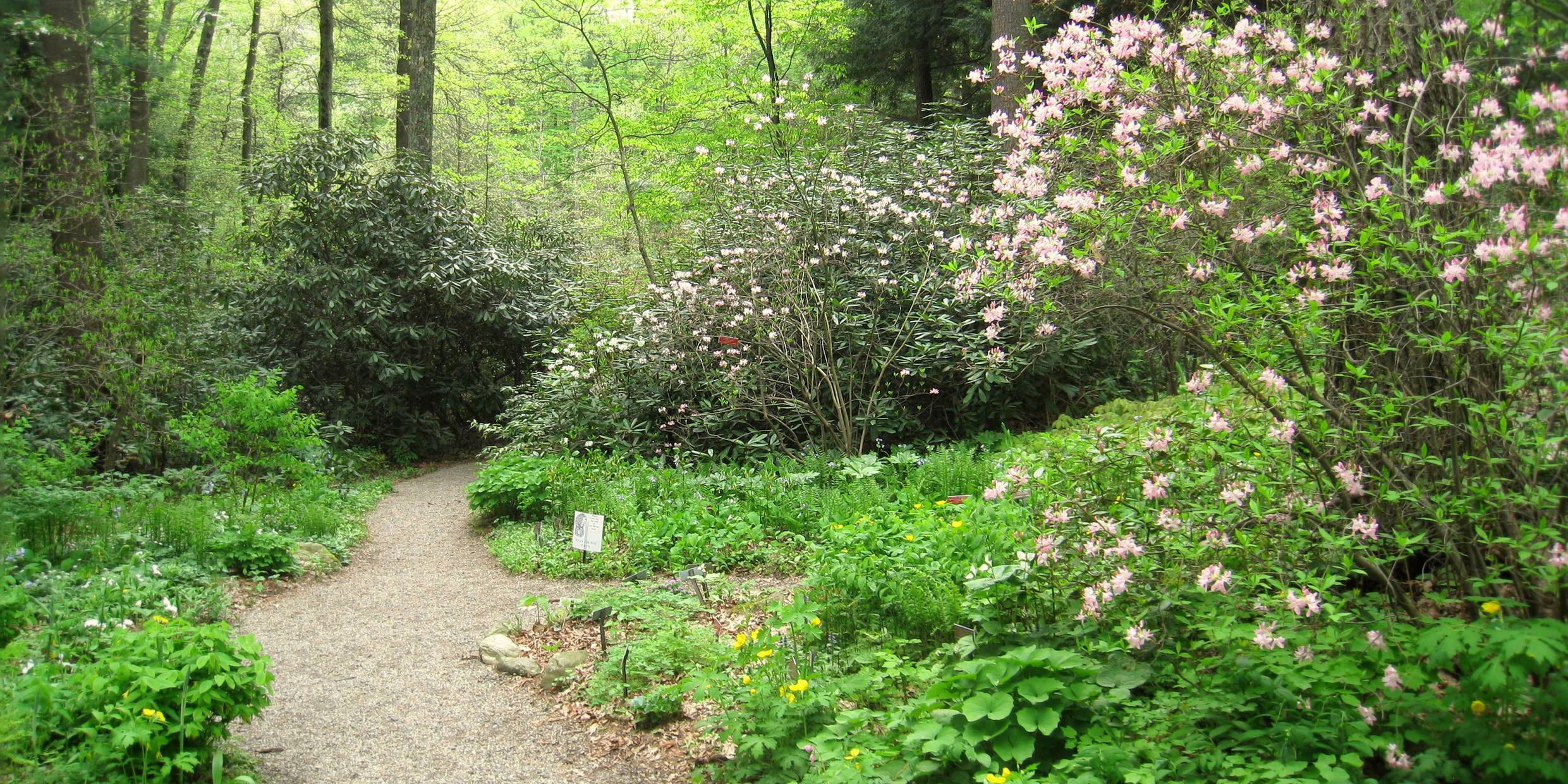
The Garden in the Woods, Framingham MA • Photo by Daderot (Public Domain)
Subtle pleasures
I have no taste for formal gardens. Banks of gladiolas, no matter how colorful and variegated, hold no attraction. Acres of tulips, or azaleas, or roses might as well be grass.

Scientific American through the years
And many happy renewals
In November 1959 I received in the mail my first issue of Scientific American. I was a graduate student in physics at the time and my new spouse had given me a subscription to the magazine for my birthday.
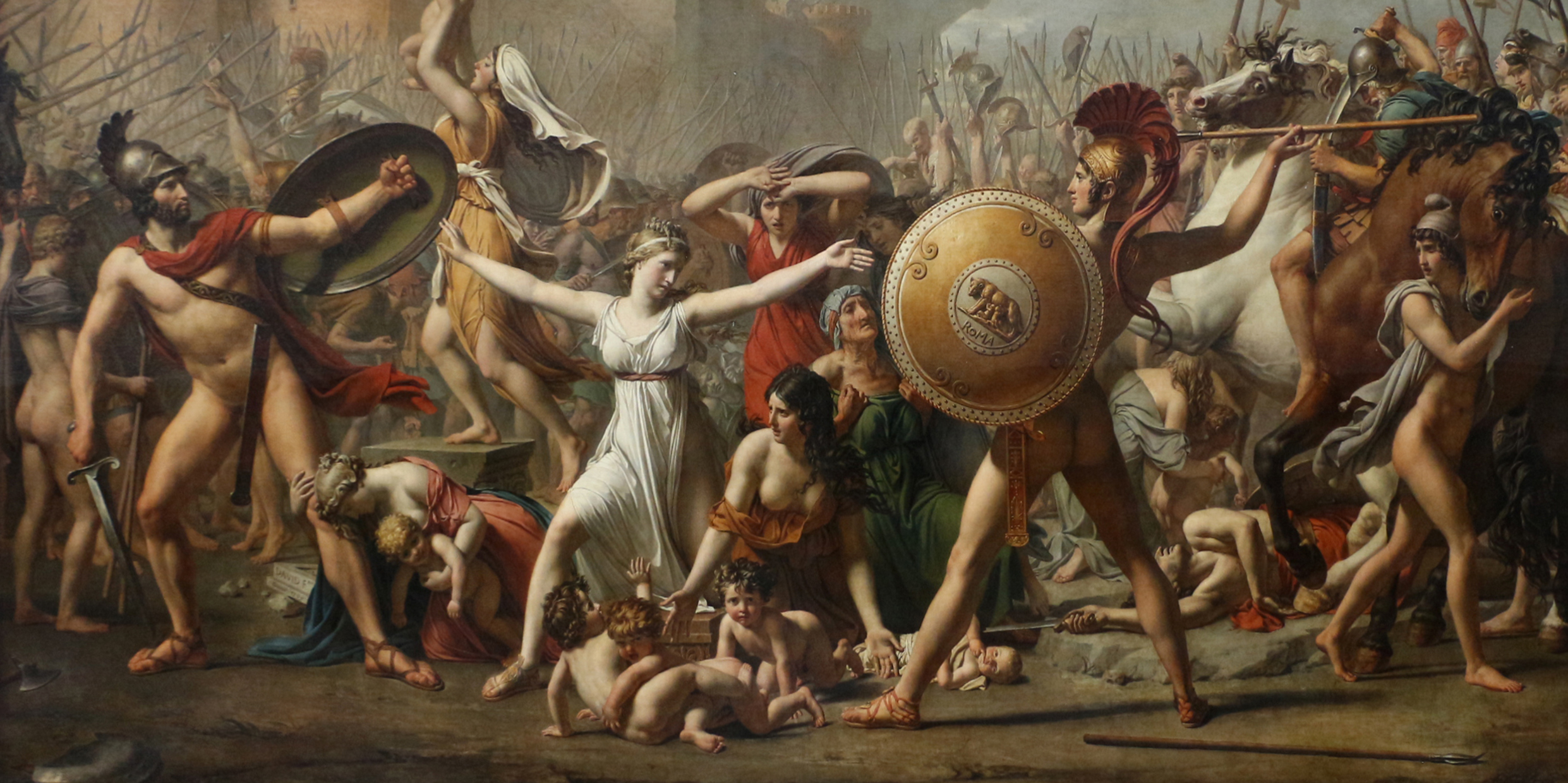
Detail from “The Intervention of the Sabine Women” by Jacques-Louis David, 1799
Social behavior and genes
Here are two stories I read within an hour of each other — one an attitudinal survey of teenagers in Rhode Island, the other an anthropological study of the Yanomamo tribe of the jungles of Brazil and Venezuela. Is there a connection? You decide.
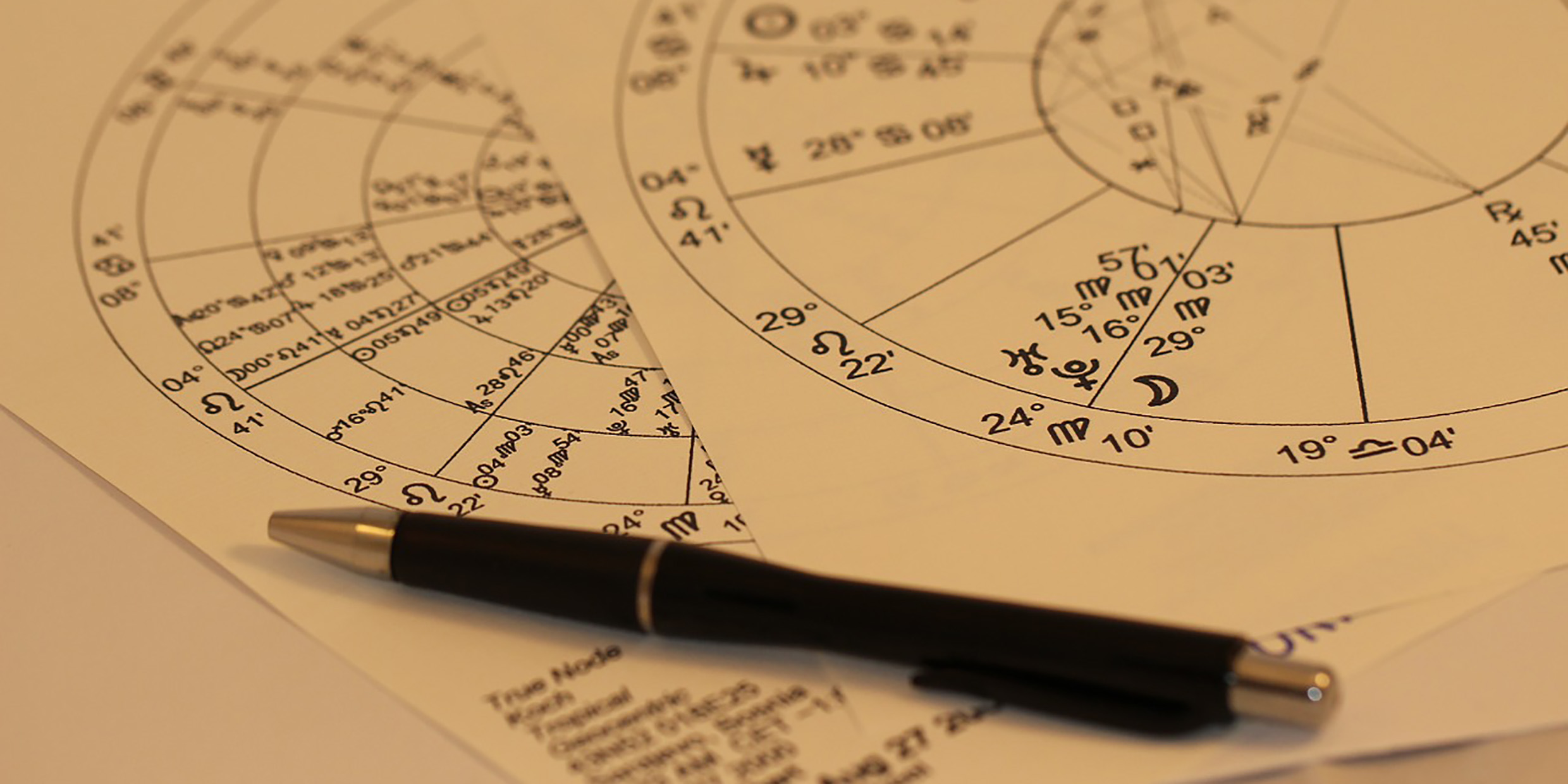
Definitely not science (Public Domain)
The astrologer and the scientist
After the Reagan-inspired media blitz of the last few weeks, you have probably heard all you want to hear about astrology.
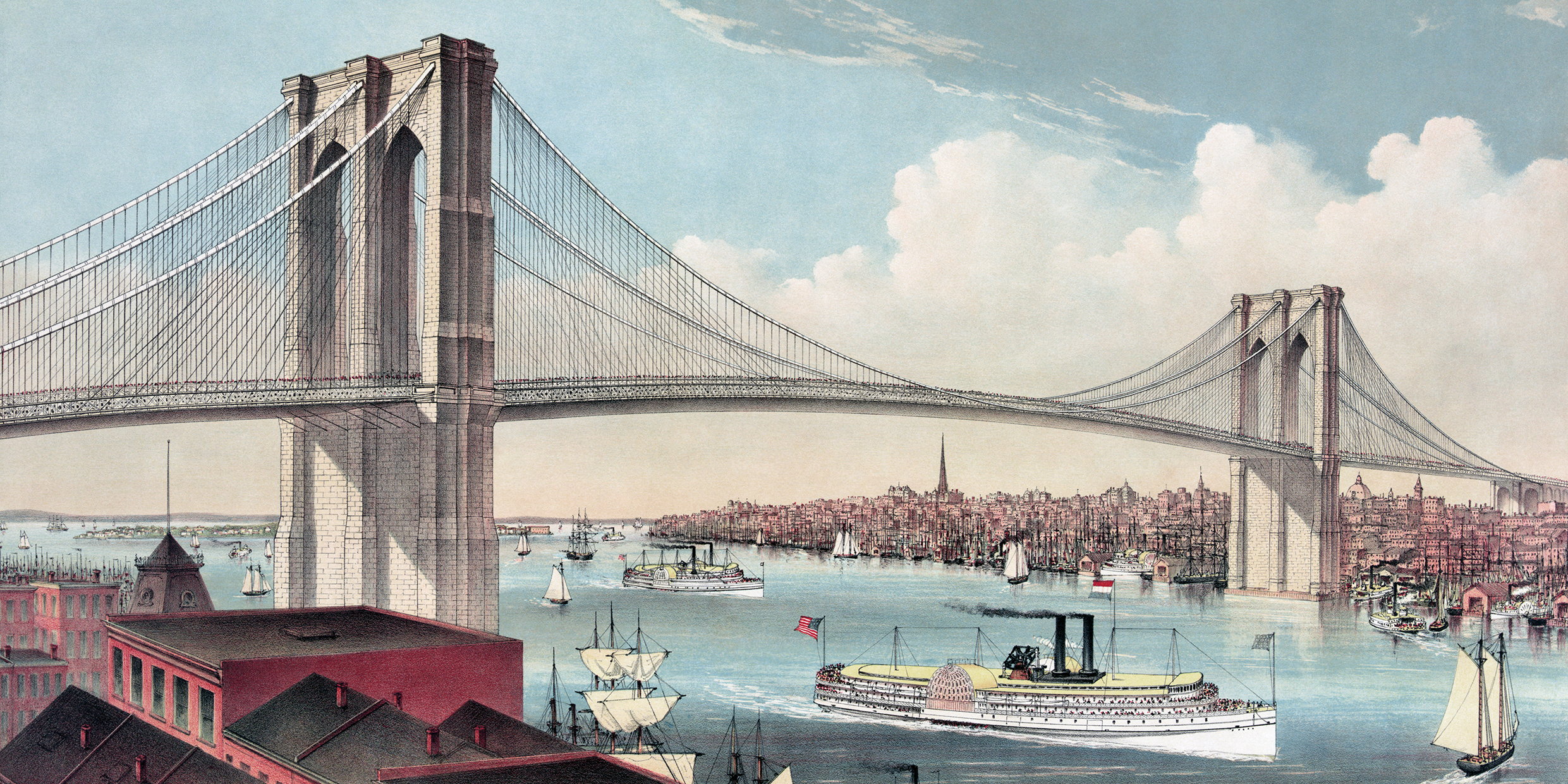
Chromolithograph of the “Great East River Suspension Bridge,” 1883 • Currier and Ives (Public Domain)
Gods no longer
New York’s bridges are falling down. According to a report in the “New York Times,” about a third of the city’s two thousand bridges are considered to be structurally deficient.
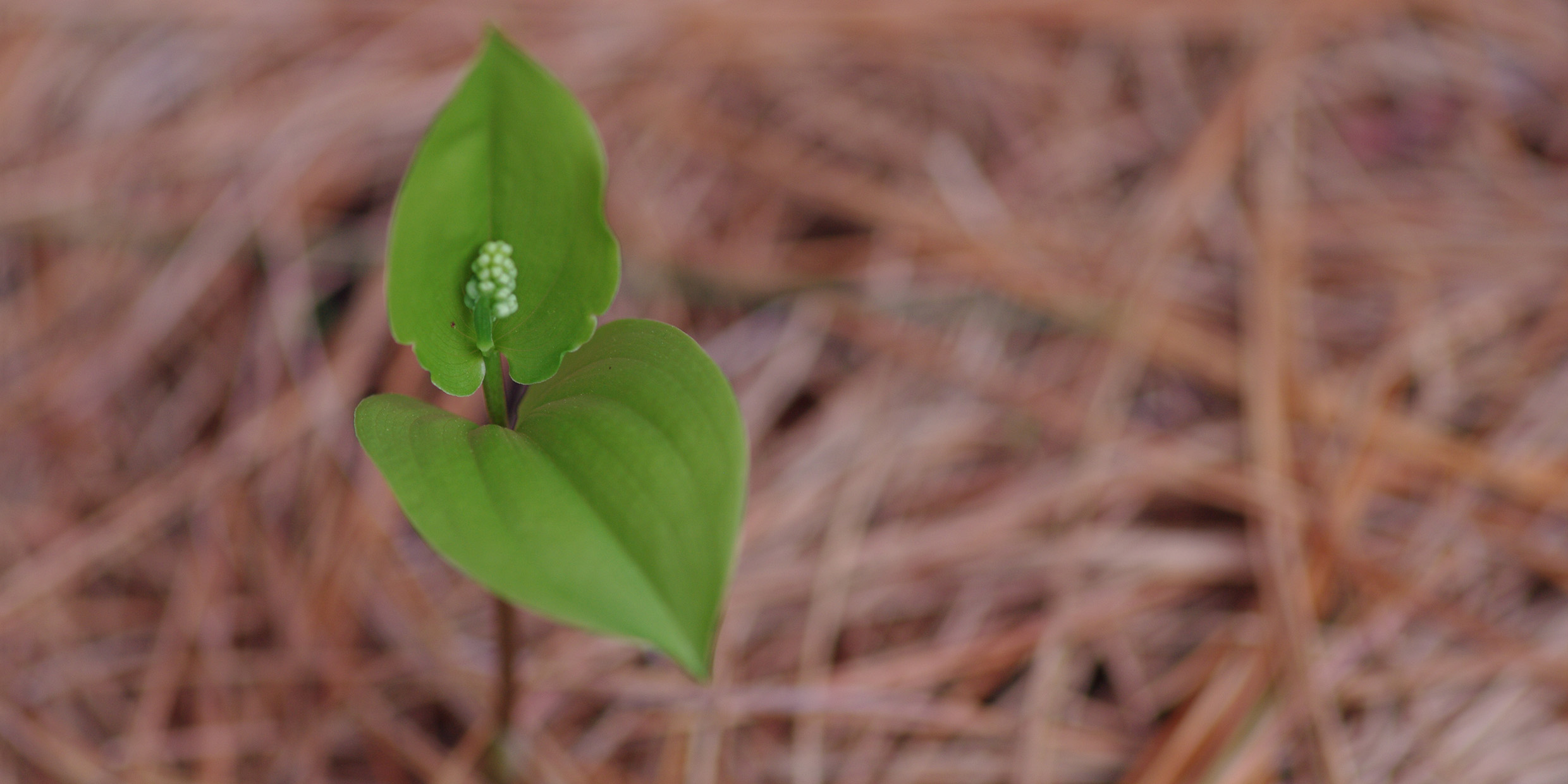
Canada mayflower • Photo by Woods People (CC BY 2.0)
The force — tons of it — is with the mayflower
On the floor of New England’s oak woodlands, the Canada mayflower (wild lily-of-the-valley) is making its play for the sun. Like two greedy hands, the paired green leaves of that ubiquitous little plant are reaching for sunlight, softening the winter woods and teasing us toward summer.