The week before last, the Humane Society of the United States sponsored a scientific conference in East Windsor, New Jersey, that considered among other things the use of contraception in wildlife management. Participating scientists hope to find practical ways to chemically regulate the fertility of wild mammals.
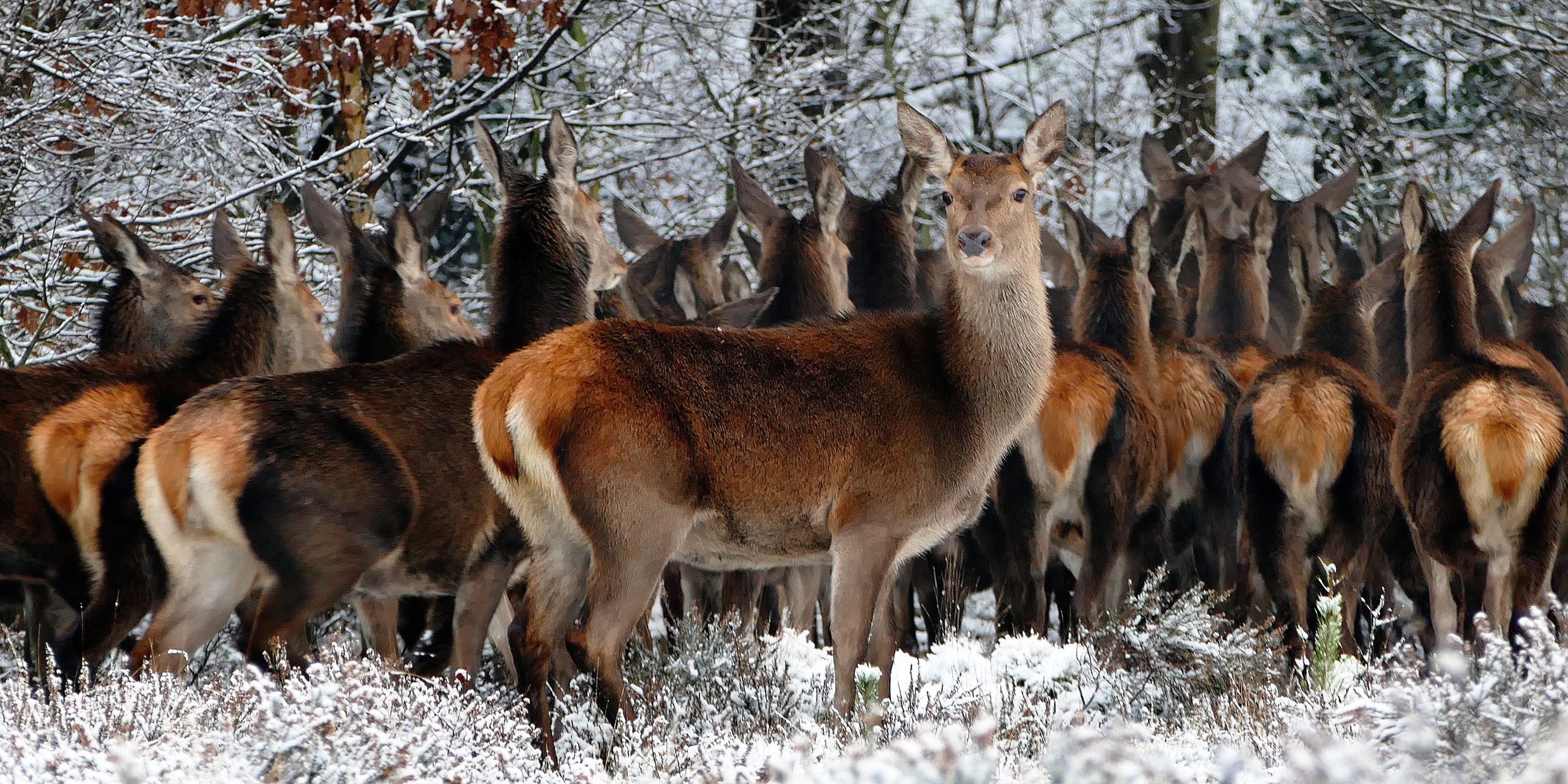
Photo by Anthony from Pexels
Earth from 100,000 miles • NASA/Apollo 10 (Public Domain)
A view we need
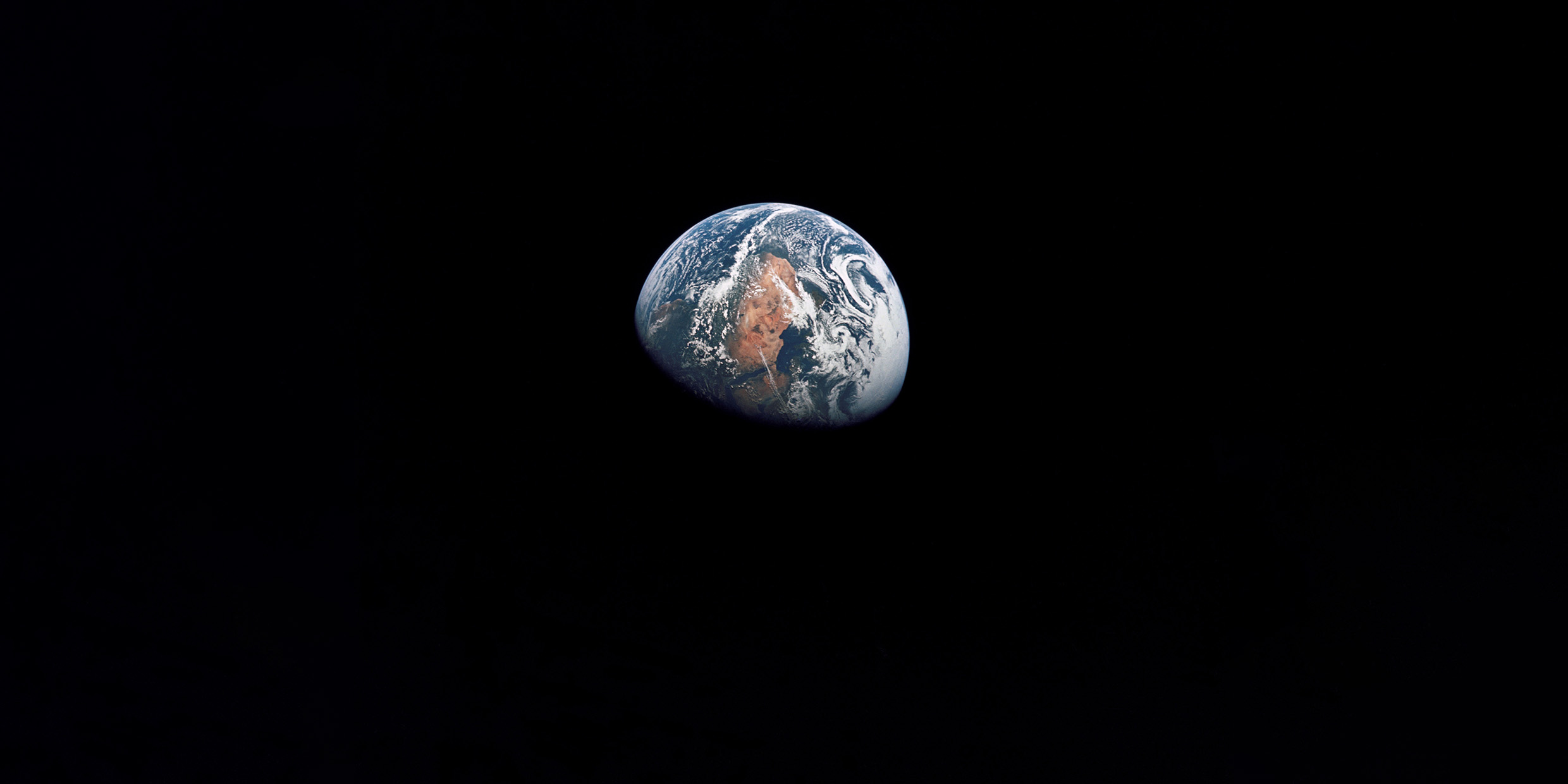
A friend gave me a new poster from the Smithsonian Air & Space Museum called Space Explorers, a compilation of small portraits of all persons who have spent at least one Earth-orbit in space.
A Mandelbrot set • Wolfgang Beyer (CC BY-SA 3.0)
Not a clock — a computer
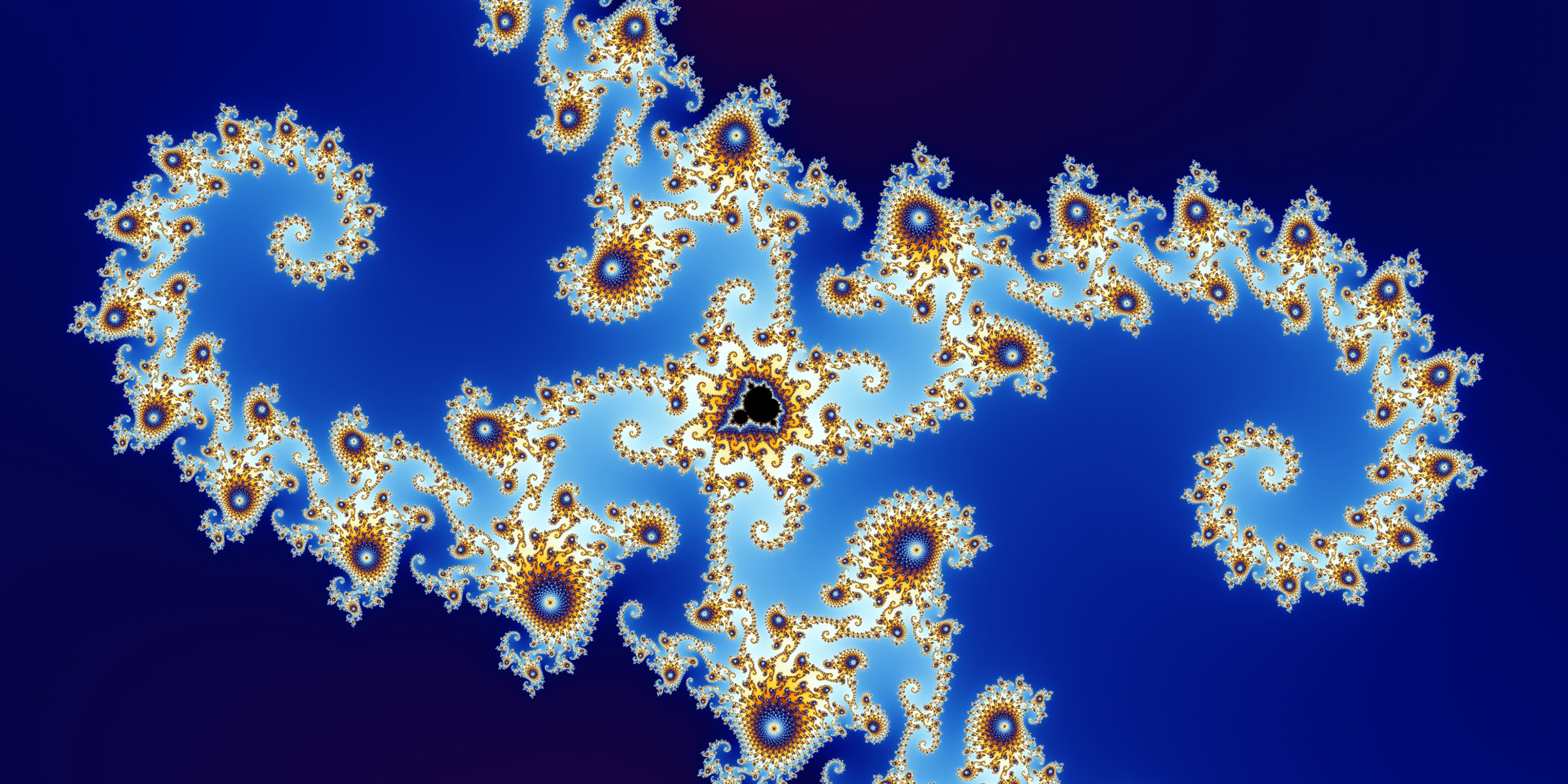
A story by Barry Cipra in [the Mar. 25, 1988] issue of “Science” draws attention to a looming “crisis in mathematics.” The crisis has to do with the teaching of calculus, the branch of mathematics that has long been the cornerstone of education in science and engineering.
Astronomical clock, Prague • Photo by Fabrizio Verrecchia on Unsplash
It’s not your clock — it’s the world
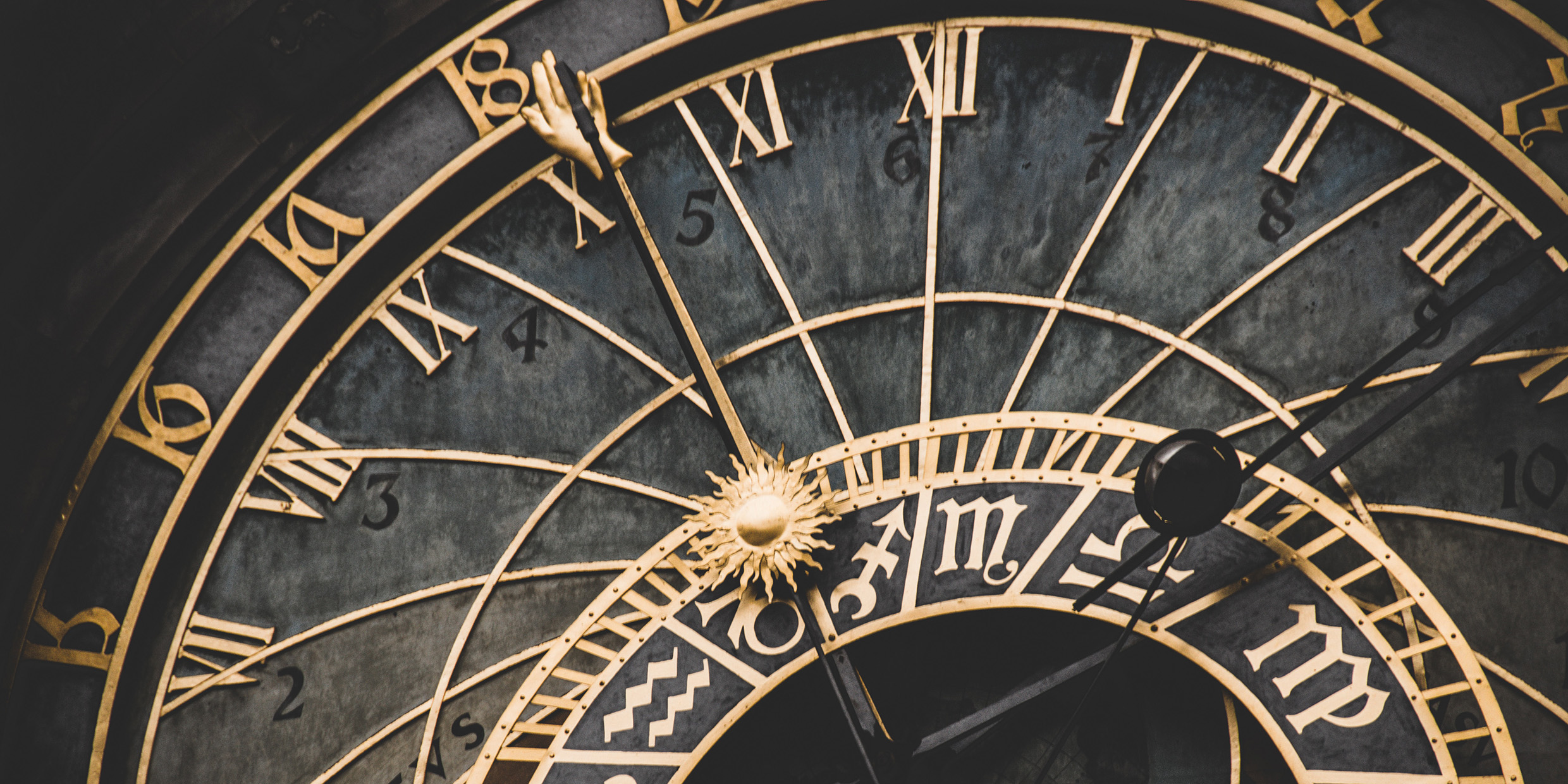
Yesterday was one of those days that make you want to throw out the clocks and calendars and go back to keeping time by the sun and seasons.
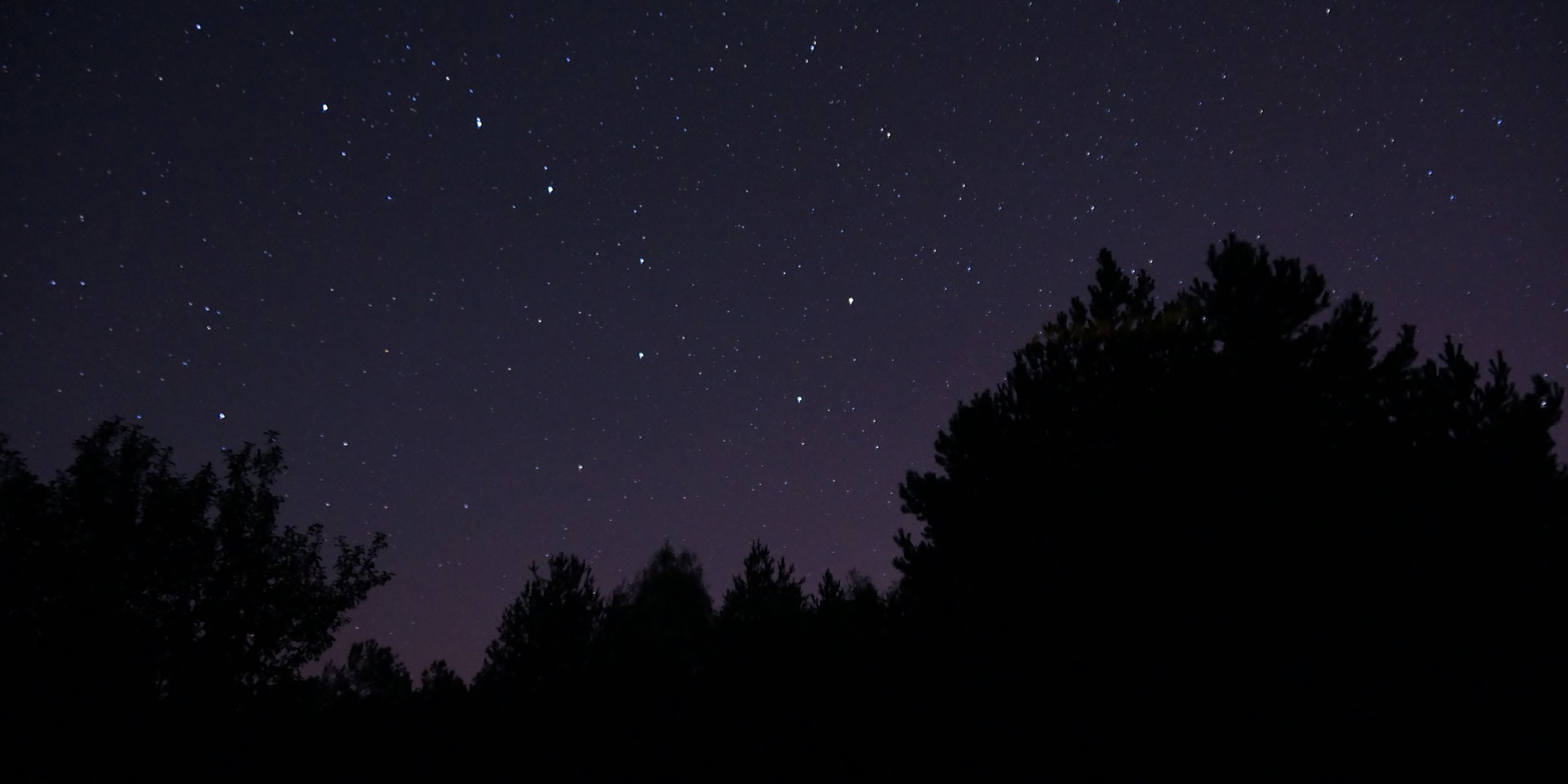
Ursa Major • Image by Michal Kryński from Pixabay
Science and reality
For the past couple of months I have had a New Yorker cover tacked on the wall above my desk. The drawing on the cover, by Eugène Mihaesco, is simple. A pen lays on a white table, its nib dark with ink. An ink bottle stands open. The ink in the bottle is a map of constellations of the northern sky — Ursa Major, Ursa Minor, and Draco — including the stars Dubhe, Merak, and Mizar.
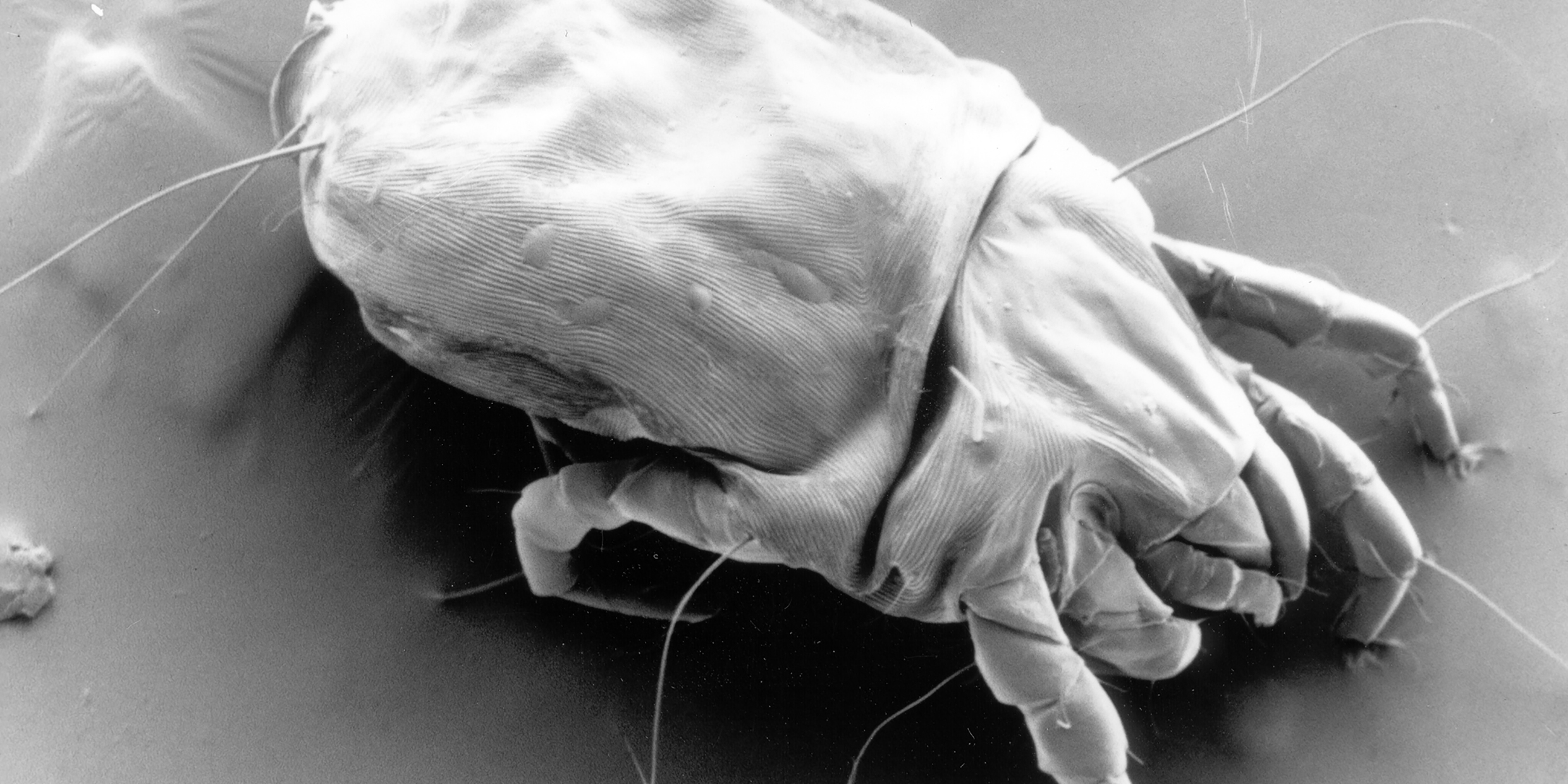
Electron micrograph of a typical dust mite • CSIRO (CC BY 3.0)
A very small world
Ever since I started working on this column my eyelids have been itching, and I’ve been involuntarily scratching at my wrists and the gaps between my fingers. It may be psychologically induced, but I swear that I feel them — the invading hordes, the microscopic monsters, the aliens.

Walden Pond, Concord MA • Photo by Pablo Sanchez Martin (CC BY 2.0)
Bluebird of happiness
The sap is rising, the ice is thawing, and next Sunday morning at 4:39 a.m. the sun will cross the celestial equator into northern skies. Meanwhile, the folks out in Concord are fighting again the never-ending battle of Walden Pond.
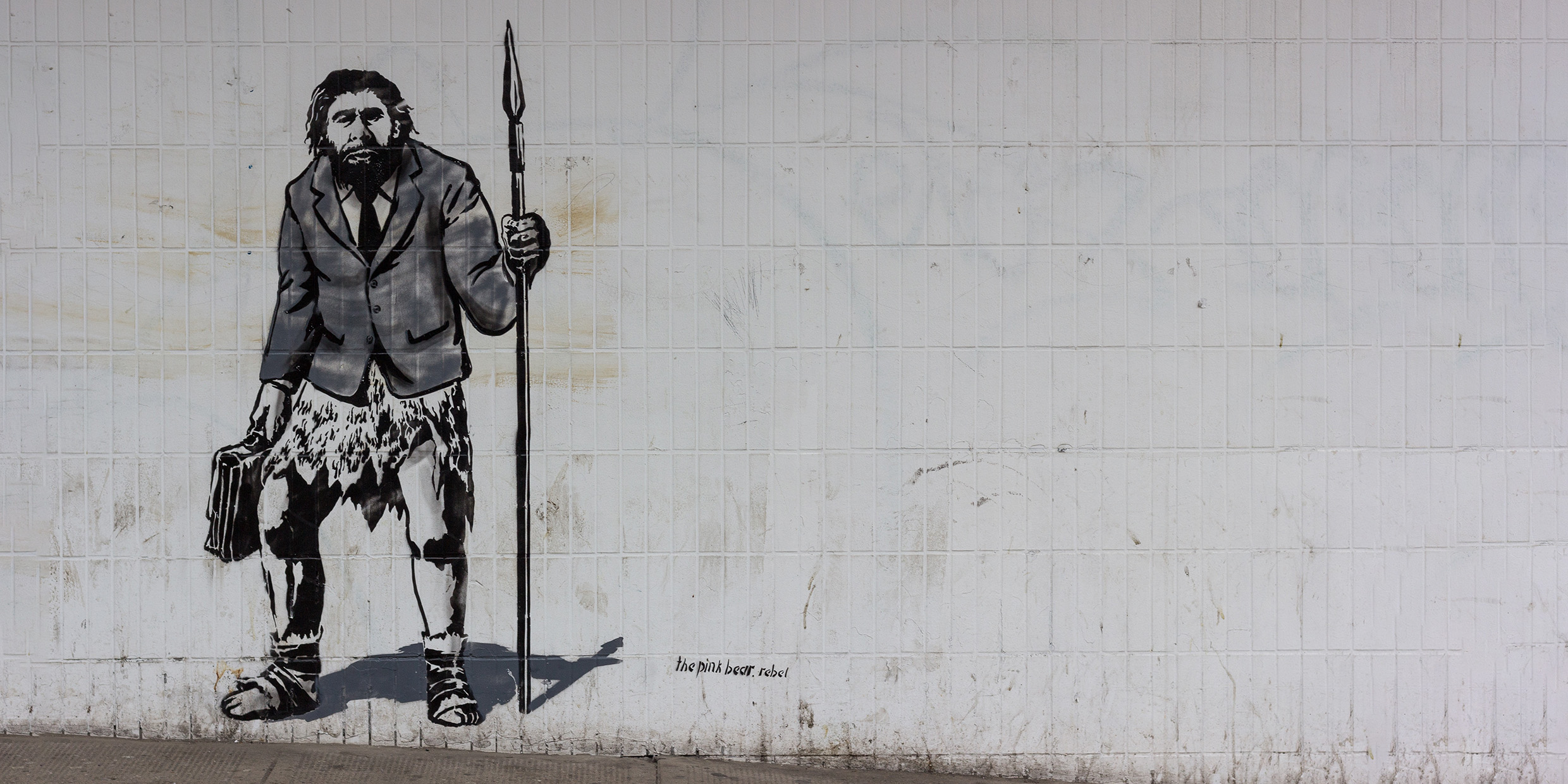
Street art in Glasgow, UK • Photo by Crawford Jolly on Unsplash
Neanderthals — not-so-grisly folk
Pity the poor Neanderthals, who had the misfortune to be discovered at about the time Darwin was evoking the outrage of his contemporaries by suggesting that humans, apes, and gorillas have a common ancestry.
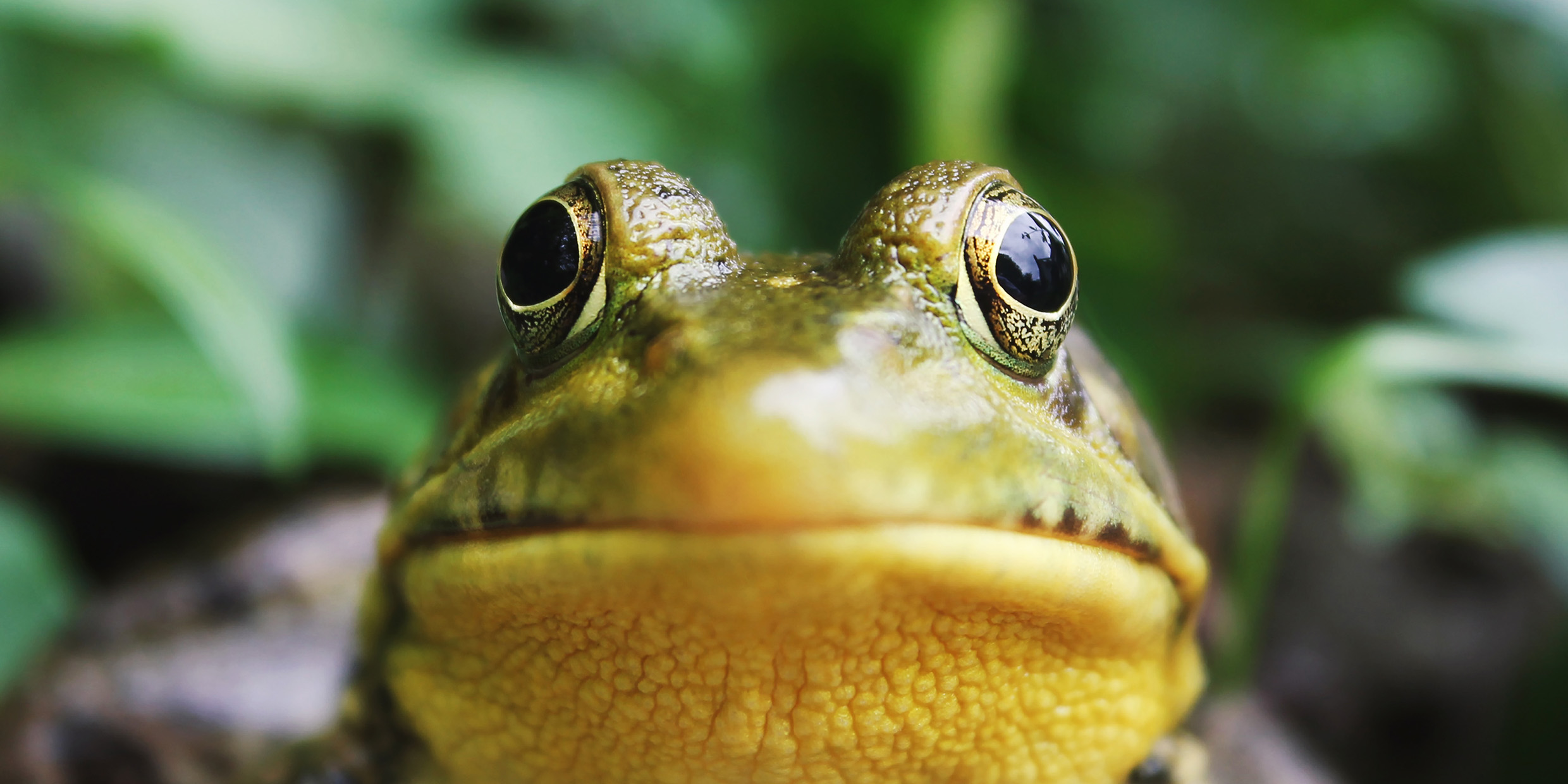
Photo by Jack Hamilton on Unsplash
Jenifer, frogs, and a reverence for life
This is a story in several parts. Chapter 1: Jenifer Graham, a 15-year-old high school student in Victorville, California, refuses to dissect a frog in biology class.
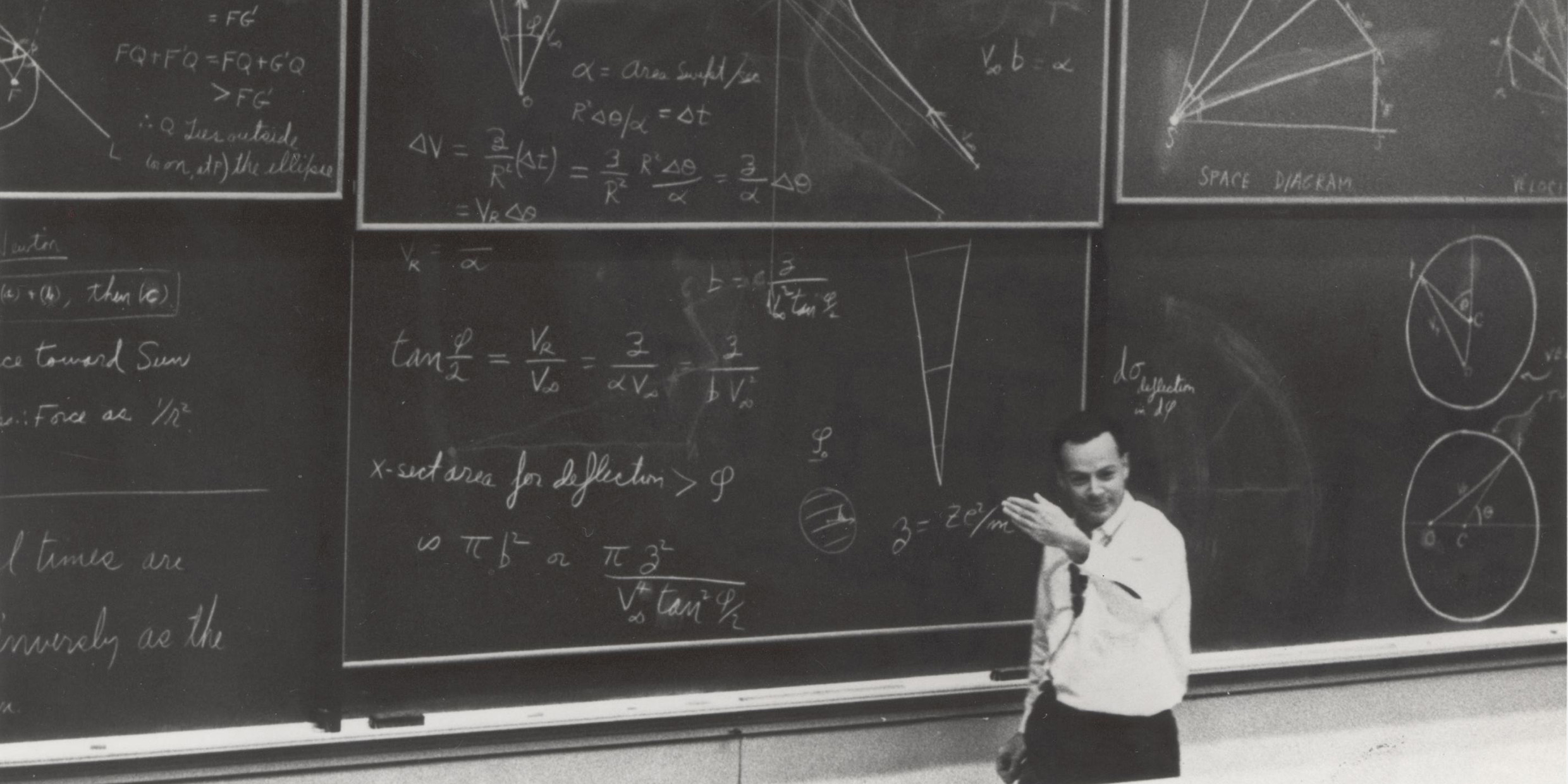
Richard Feynman, explaining a joke in 1964 (Public Domain)
Science fun, but rarely funny
Thirty years ago when I was a graduate student in physics at UCLA I used to occasionally go over to Caltech to hear Richard Feynman lecture on physics. Feynman, who died this past week at age 69, was famous even then, although his Nobel Prize was still a few years in the future. He was also a very funny man.